Oil‑free Air Compressor systems have become a cornerstone of clean, reliable compressed air supply across a wide range of industries where air purity, efficiency, and environmental sustainability matter the most. In this article, we explore how these systems work, their advantages, and why companies such as Dechuan Compressor (Shanghai) Co., Ltd. invest in cutting‑edge oil‑free technology for high‑performance compressed air solutions.
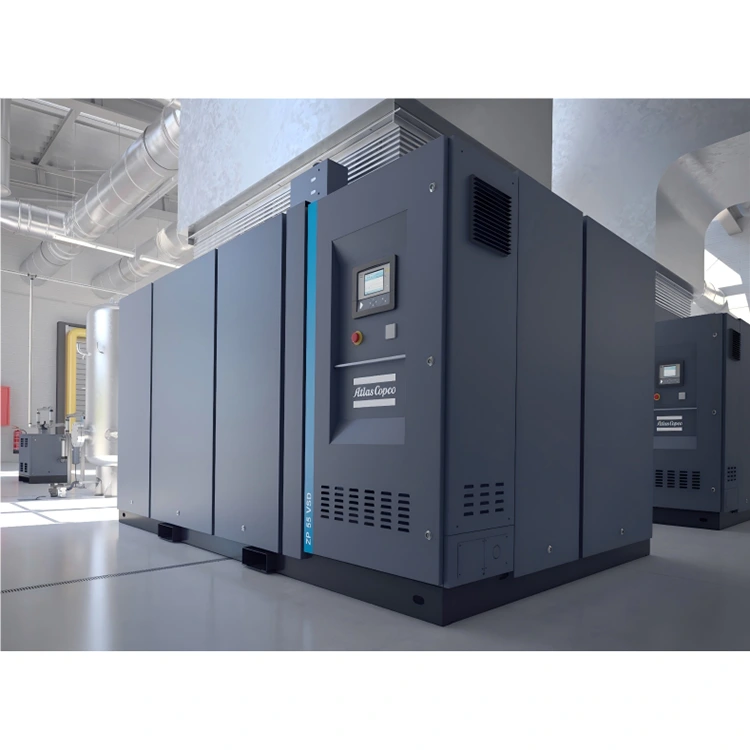
This comprehensive article answers a critical question: What makes an oil‑free air compressor essential for modern applications? We review the technology behind oil‑free compressors, compare them with traditional oil‑lubricated models, analyze industry use cases, detail operational benefits, and provide a practical FAQ section.
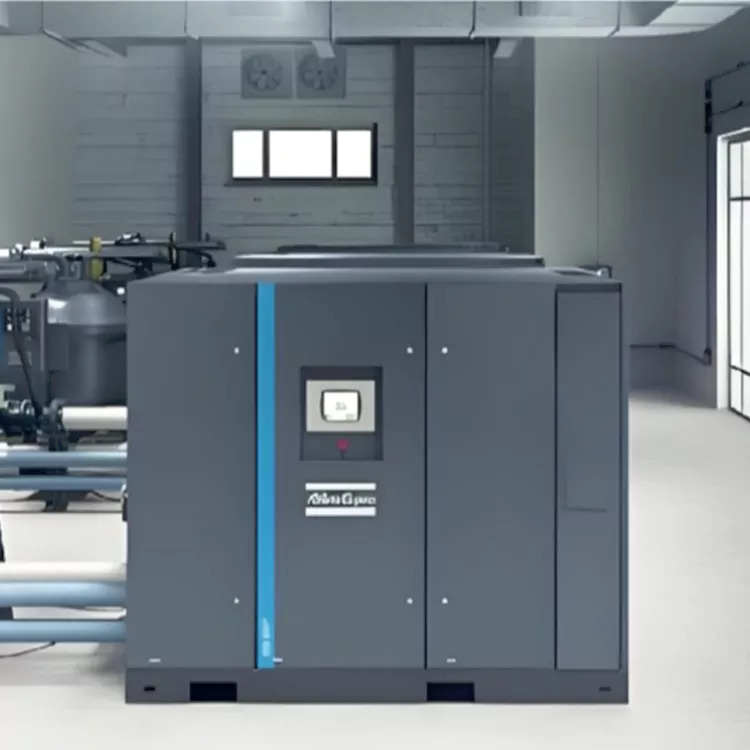
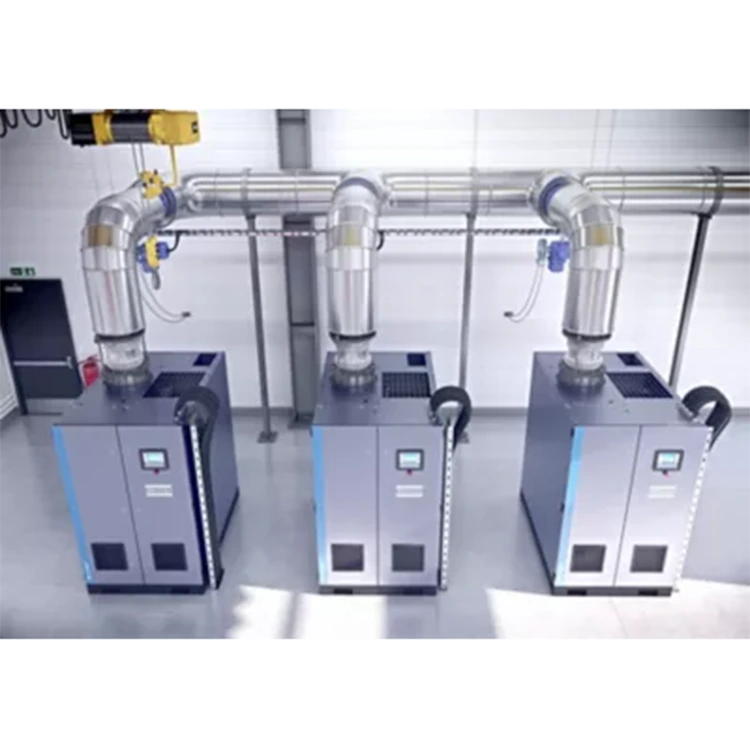
An oil‑free air compressor compresses air without introducing oil into the compression chamber. Instead of oil for lubrication, these systems use advanced materials like PTFE or specialized coatings to minimize friction and wear of moving parts. The design often includes intercoolers and aftercoolers to manage heat generated during compression.
The choice between oil‑free and oil‑lubricated compressors often hinges on application needs. Oil‑free models eliminate the possibility of oil in the air stream, which is critical where compressed air contacts products, sensitive instruments, or people.
| Feature | Oil‑Free Air Compressor | Oil‑Lubricated Air Compressor |
|---|---|---|
| Air Purity | 100% oil‑free air output | May have trace oil contamination |
| Maintenance | Lower maintenance, no oil changes | Regular oil changes and filters required |
| Application Suitability | Food, pharma, electronics | Heavy industry, general use |
| Environmental Impact | Minimal oil waste | Oil disposal required |
Oil‑free compressors provide several operational and business advantages compared to traditional compressors. Below are core benefits widely acknowledged by industry sources.
Oil‑free air systems help companies meet stringent air quality and safety standards (e.g., food safety, ISO air purity classes).
Oil‑free compressors are used where high‑quality compressed air is critical. Key industry sectors include:
Selecting the right compressor requires understanding your operational demands, pressure and flow requirements, and quality specifications. Consider the following checklist:
Q: What defines “oil‑free” in an oil‑free air compressor?
A: An oil‑free air compressor is engineered so that no oil enters the compressed air stream at any point. This is achieved through advanced materials and designs in the compression chamber.
Q: Why is oil‑free air important for certain industries?
A: Oil contaminants can compromise product quality, safety, and regulatory compliance, especially in food, pharmaceutical, and medical applications. Oil‑free compressors prevent such risks.
Q: Are oil‑free compressors more expensive?
A: While upfront costs can be higher, the total cost of ownership is often lower due to reduced maintenance and cleanup costs.
Q: Can an oil‑free compressor be used for heavy industrial applications?
A: Yes, there are industrial‑grade oil‑free compressors designed for heavy duty, but selection should match application requirements.
Q: How often does maintenance occur on an oil‑free compressor?
A: Maintenance is simpler and less frequent, focused on filters and periodic checks rather than oil changes.



Copyright © 2025 Dechuan Compressor (Shanghai) Co., Ltd. All Rights Reserved.