Abstract
Freeze drying technology, also known as lyophilization, is a critical process used to preserve biological materials, pharmaceuticals, and food products by removing moisture under low temperature and vacuum conditions. Unlike conventional drying methods, a freeze dryer maintains structural integrity, nutritional value, and chemical stability. This article explores how a freeze dryer works, its internal mechanisms, industrial applications, benefits, and key considerations for selection and maintenance. It also highlights practical insights for businesses seeking reliable preservation solutions in modern industrial environments.
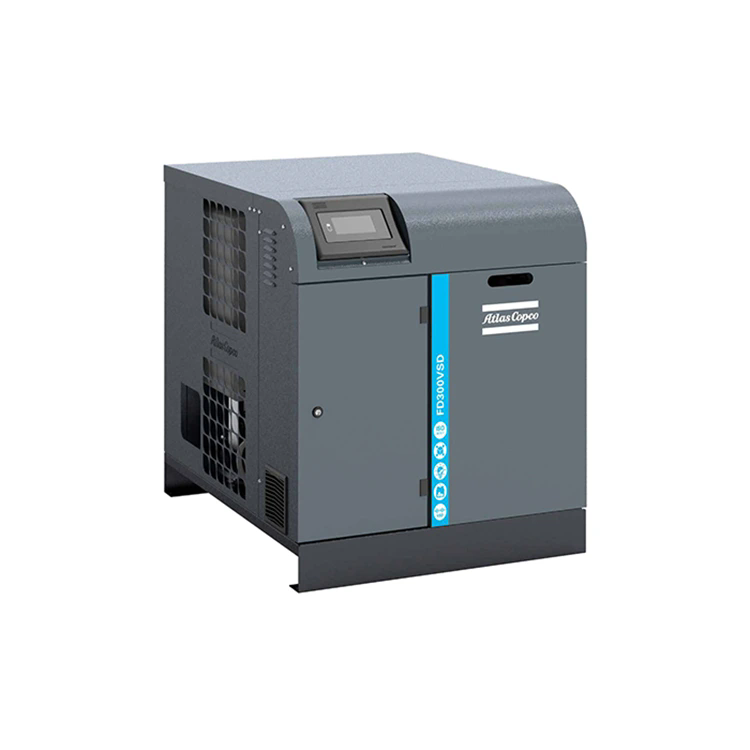
1. Overview of Freeze Drying Technology
A freeze dryer is an advanced dehydration system that removes water from frozen materials through sublimation. This means ice transitions directly into vapor without passing through a liquid phase. This unique process preserves the microstructure of materials, making it highly valuable for industries where product quality and longevity are critical.
Industries such as pharmaceuticals, biotechnology, and food processing rely heavily on freeze drying to maintain product integrity over long storage periods. Compared to air drying or heat drying, freeze drying minimizes shrinkage, oxidation, and nutrient loss.
2. Working Principle of a Freeze Dryer
The working principle of a freeze dryer is based on three core stages: freezing, primary drying (sublimation), and secondary drying (desorption). The system uses a vacuum chamber combined with controlled temperature reduction to ensure water is removed efficiently without damaging the product structure.
At the core, the freeze dryer lowers pressure below the triple point of water, allowing ice to convert directly into vapor. This requires precise temperature control and vacuum stability to avoid product collapse.
3. Key Components of a Freeze Dryer
-
Vacuum Chamber: Provides low-pressure environment for sublimation.
-
Condenser: Captures and solidifies vapor into ice.
-
Refrigeration System: Enables rapid freezing of materials.
-
Heating Shelves: Provide controlled energy during drying phases.
-
Vacuum Pump: Maintains required pressure levels.
Each component plays a crucial role in ensuring consistent drying performance and product quality. Any imbalance in these systems may lead to incomplete drying or product degradation.
4. Step-by-Step Freeze Drying Process
The freeze drying process typically follows these stages:
-
Pre-Freezing: The product is frozen at extremely low temperatures, forming solid ice crystals.
-
Primary Drying: Vacuum pressure is applied, and ice sublimates directly into vapor.
-
Secondary Drying: Remaining moisture is removed through controlled heating.
This structured process ensures that even delicate biological materials retain their original properties after dehydration.
5. Industrial Applications
Freeze dryers are widely used across multiple industries:
|
Industry
|
Application
|
Benefit
|
|
Pharmaceutical
|
Vaccine and injectable drug preservation
|
Extended shelf life and stability
|
|
Food Processing
|
Instant coffee, fruits, emergency food
|
Retains flavor and nutrition
|
|
Biotechnology
|
Enzyme and cell storage
|
Maintains biological activity
|
|
Chemical Industry
|
Heat-sensitive compounds
|
Prevents degradation
|
6. Advantages and Customer Pain Points Solved
Businesses often face challenges such as product degradation, short shelf life, and unstable storage conditions. Freeze drying addresses these issues effectively.
-
Preserves product structure and integrity
-
Extends shelf life significantly
-
Reduces transportation and storage risks
-
Maintains nutritional and chemical properties
-
Enables long-term emergency storage solutions
For manufacturers dealing with sensitive materials, freeze dryers eliminate dependency on chemical preservatives, making them a cleaner and more sustainable solution.
7. Freeze Drying vs Other Drying Methods
|
Method
|
Temperature
|
Product Quality
|
Cost
|
Best Use Case
|
|
Freeze Drying
|
Low
|
Excellent
|
High
|
Pharmaceuticals, premium food
|
|
Hot Air Drying
|
High
|
Moderate
|
Low
|
Agricultural products
|
|
Spray Drying
|
Medium
|
Good
|
Medium
|
Powder production
|
While freeze drying is more expensive, its unmatched quality preservation makes it indispensable for high-value applications.
8. How to Choose the Right Freeze Dryer
Selecting a freeze dryer depends on operational requirements, production scale, and material type. Below are key factors to consider:
-
Processing capacity (batch size per cycle)
-
Temperature control precision
-
Vacuum efficiency and stability
-
Energy consumption
-
Automation level and monitoring systems
For industrial buyers, reliability and after-sales support are equally important as machine specifications.
9. Maintenance and Operational Tips
Proper maintenance ensures long-term efficiency and reduces downtime. Key practices include:
-
Regular vacuum pump oil replacement
-
Cleaning condenser ice buildup
-
Monitoring refrigeration system performance
-
Calibrating temperature sensors periodically
-
Inspecting seals and gaskets for leakage
Preventive maintenance is essential to avoid production interruptions and maintain consistent output quality.
10. FAQ
Q1: What makes freeze drying different from dehydration?
Freeze drying removes moisture through sublimation under vacuum, while dehydration uses heat, often damaging product structure.
Q2: Is freeze drying expensive to operate?
Yes, it requires higher initial investment and energy consumption, but it provides superior product value and shelf life.
Q3: Can freeze dryers be used for small-scale production?
Yes, laboratory and small industrial units are available for research and pilot production.
Q4: How long does a freeze drying cycle take?
Depending on material type and thickness, it can range from 20 hours to several days.
Q5: What industries benefit most from freeze drying?
Pharmaceuticals, food processing, and biotechnology are the primary beneficiaries due to high sensitivity of materials.
Conclusion
Freeze drying represents one of the most advanced preservation technologies available today. Its ability to maintain structural integrity, extend shelf life, and preserve sensitive compounds makes it essential across multiple industries. Although it requires higher investment compared to traditional drying methods, its long-term benefits far outweigh the cost.
For businesses seeking stable, high-performance preservation solutions, choosing a reliable manufacturer is critical. Dechuan provides industrial-grade freeze drying systems designed for efficiency, durability, and precision. For customized solutions and expert guidance, Dechuan contact us to explore how our freeze dryer technology can support your production needs.