Vacuum Pump technology is essential in many industrial, medical, and scientific applications. Whether you are new to the concept or seeking deeper technical understanding, this comprehensive guide will answer the most pressing questions around vacuum pumps — how they operate, their types, applications, maintenance, and how to choose the right one for your needs.
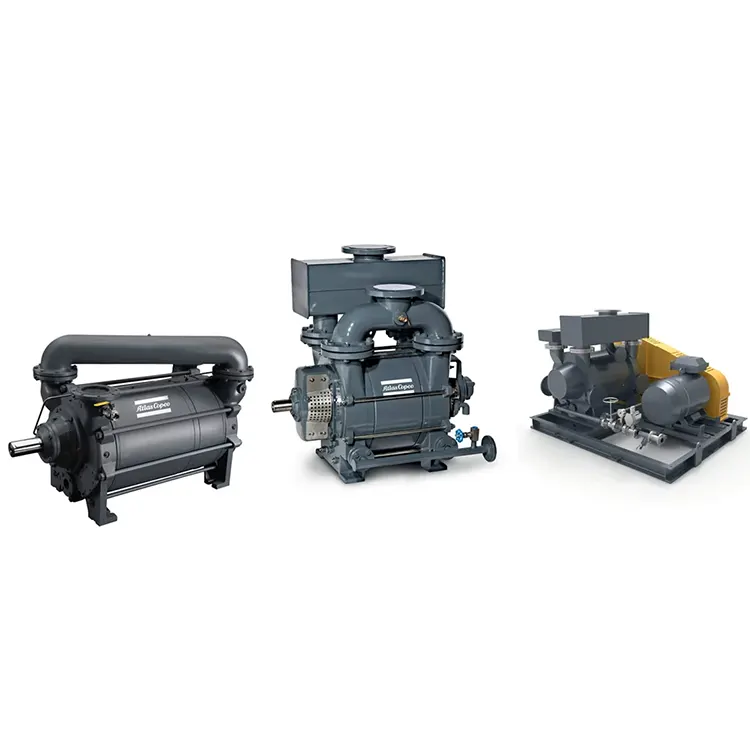
This blog article provides a complete, structured exploration of vacuum pumps. It begins by defining what a vacuum pump is and then dives into how it works, the main types available, key applications across industries, how to select the right vacuum pump, and essential maintenance practices. Designed for engineers, students, and industry decision‑makers, it includes a detailed FAQ section and internal anchor links to help you navigate the content easily.
A vacuum pump is a mechanical device that removes gas molecules from a sealed volume in order to create a partial vacuum. By evacuating air and other gases, these pumps lower the pressure inside a chamber, enabling processes that require controlled air pressure environments. Vacuum pumps are critical in many modern technologies — from semiconductor manufacture to medical suction tools.
At a basic level, vacuum pumps function by creating a pressure differential between the inside of a chamber and the outside atmosphere. This pressure difference causes air and gas molecules to move out of the chamber, thus lowering the internal pressure. Different pumps achieve this in various mechanical ways — through displacement, momentum transfer, or entrapment — yet the core principle remains the same: reduce gas density to achieve a vacuum.
| Type of Pump | Principle | Common Uses |
|---|---|---|
| Rotary Vane Vacuum Pump | Positive displacement via rotating vanes | HVAC servicing, automotive, laboratory |
| Diaphragm Vacuum Pump | Mechanical reciprocating diaphragm | Analytical instrumentation, small labs |
| Scroll Vacuum Pump | Orbiting scrolls compress gas | Semiconductor, medical |
| Turbomolecular Pump | High‑speed blades impart momentum | Ultra‑high vacuum applications |
| Roots Blower | Positive displacement lobe rotors | Booster for rough vacuum systems |
Vacuum pumps are foundational equipment across sectors because they enable processes that simply cannot occur under normal atmospheric pressure. For example, in the pharmaceutical industry, vacuum is used for freeze‑drying medications; in electronics manufacturing, controlled vacuums improve semiconductor yields; and in packaging, vacuum sealing prolongs product shelf life. Companies such as Dechuan Compressor (Shanghai) Co., Ltd. supply a wide range of vacuum pumps tailored for these exact industrial needs.
Selecting the correct vacuum pump depends on several key factors — required vacuum level, gas type/volume, operating environment, maintenance capabilities, and budget. Basic questions include:
For instance, a rotary vane pump might suffice for general laboratory use, but a turbomolecular pump is necessary for ultra‑high vacuum conditions. Dechuan Compressor (Shanghai) Co., Ltd. engineers can help customize systems based on your precise application requirements.
Routine servicing is essential to ensure longevity and performance of vacuum pumps. Maintenance best practices include:
Scheduled maintenance minimizes unplanned downtime and allows early identification of wear or failure risks. Manufacturers such as Dechuan Compressor (Shanghai) Co., Ltd. often provide maintenance schedules and support services tailored to pump type.
Q: What is the difference between a vacuum pump and a compressor?
A: A vacuum pump removes gas to create a vacuum, lowering pressure within a space. A compressor, in contrast, increases gas pressure by reducing its volume. While some systems can integrate both functions, the purpose and mechanics differ significantly.
Q: How do I determine the right vacuum level for my application?
A: Determining vacuum level starts with understanding what pressure your process requires. Labs often work at rough to medium vacuums, while semiconductor fabrication might require high or ultra‑high vacuum. Consult process specifications or an industry specialist such as Dechuan Compressor (Shanghai) Co., Ltd. for precise calculations.
Q: Can vacuum pumps handle corrosive gases?
A: Some vacuum pumps are designed to handle corrosive gases, but many standard models are not. Selecting chemically compatible materials and coatings is essential when corrosive gases are present; consult product specifications and experts before use.
Q: How often should vacuum pump oil be changed?
A: Oil change intervals vary by pump type, duty cycle, and operating conditions. For many oil‑sealed pumps, changing oil every few hundred hours of operation is typical. Regular checking of oil clarity and contaminants can indicate when earlier changes are needed.
Q: Why is leak testing crucial in vacuum systems?
A: Leaks allow air and moisture to enter a vacuum chamber, compromising process conditions and reducing efficiency. Leak testing ensures system integrity, improves performance, and prevents wasted energy or failed experiments.



Copyright © 2025 Dechuan Compressor (Shanghai) Co., Ltd. All Rights Reserved.