Abstract
An oil-lubricated vacuum pump is widely used in industrial systems requiring stable vacuum performance, high durability, and efficient air evacuation. This article explains its working principle, core structure, advantages, maintenance practices, and common troubleshooting methods. It also addresses key customer concerns such as oil contamination, overheating, and performance degradation. The goal is to help operators, engineers, and procurement specialists make informed decisions and extend equipment lifespan with practical operational insights.
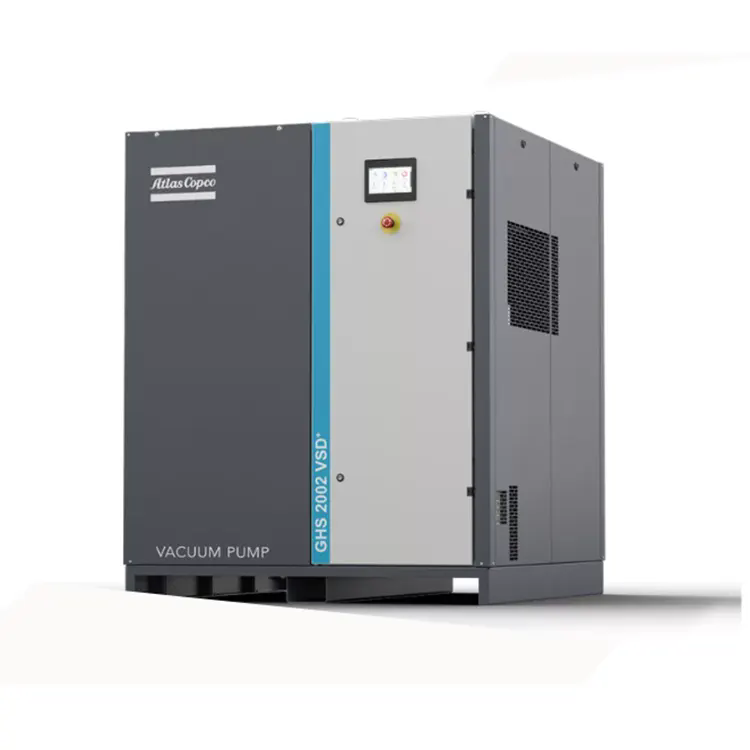
An oil-lubricated vacuum pump is a mechanical device designed to remove air and gases from a sealed system using oil as a sealing, cooling, and lubricating medium. Unlike dry vacuum systems, oil-sealed designs provide higher ultimate vacuum levels and improved mechanical stability under continuous operation.
These pumps are commonly used in industries such as packaging, metallurgy, electronics manufacturing, medical sterilization, and chemical processing. Their reliability and ability to maintain consistent vacuum pressure make them essential in production environments where precision matters.
The working principle of an oil-lubricated vacuum pump is based on volume expansion and compression. The pump rotor rotates inside a stator chamber, trapping air between rotor blades and compressing it until it is expelled through the exhaust valve.
Oil plays three critical roles in this process:
This combination ensures smoother operation, higher efficiency, and extended service life compared to dry alternatives.
A typical oil-lubricated vacuum pump consists of several precision-engineered components. Understanding these parts helps operators diagnose problems more effectively.
| Component | Function |
|---|---|
| Rotor | Creates rotational motion to compress air |
| Stator Chamber | Encloses the compression process |
| Vacuum Oil | Seals, cools, and lubricates internal parts |
| Inlet Valve | Allows gas to enter the chamber |
| Exhaust Valve | Releases compressed gas and oil mist separation |
| Oil Separator | Removes oil particles from exhaust gas |
Oil-lubricated vacuum pumps are favored in many industries due to their robust performance. However, like any mechanical system, they also come with certain limitations.
Advantages:
Limitations:
Oil-lubricated vacuum pumps are widely adopted across multiple industries due to their versatility and reliability. Below are common application areas:
Proper maintenance is critical to ensuring stable performance and preventing costly downtime. Operators should follow structured maintenance routines.
Recommended maintenance practices:
A well-maintained pump can significantly reduce energy consumption and extend operational lifespan.
Operators often face several recurring issues when using oil-lubricated vacuum pumps. Understanding root causes can reduce downtime.
Regular inspection and preventive maintenance are the most effective ways to avoid these issues.
| Feature | Oil-lubricated Pump | Dry Vacuum Pump |
|---|---|---|
| Vacuum Level | Higher | Moderate |
| Maintenance | Regular oil changes required | Lower maintenance frequency |
| Cleanliness | Oil contamination risk | Oil-free operation |
| Cost Efficiency | Lower initial cost | Higher initial cost |
Choosing between these two depends on application requirements, environmental constraints, and performance expectations.
Q1: How often should vacuum pump oil be replaced?
Typically every 500–2000 operating hours depending on workload and operating conditions.
Q2: Why does my pump lose vacuum strength over time?
Common causes include oil degradation, seal wear, or internal contamination.
Q3: Can oil-lubricated vacuum pumps run continuously?
Yes, most industrial models are designed for continuous operation if properly cooled and maintained.
Q4: What type of oil should be used?
Always use manufacturer-recommended vacuum pump oil to ensure optimal sealing and cooling performance.
Q5: Is it suitable for clean-room environments?
Generally no, unless equipped with advanced filtration systems.
Oil-lubricated vacuum pumps remain a cornerstone in industrial vacuum technology due to their strong performance, reliability, and cost efficiency. When properly maintained, they deliver consistent vacuum levels across demanding applications.
For businesses seeking stable industrial-grade vacuum solutions, selecting a well-engineered system is critical. Dechuan provides professional-grade oil-lubricated vacuum pump solutions designed for durability, efficiency, and long-term operational stability.
Whether you are upgrading existing equipment or building a new production line, choosing the right vacuum system can significantly impact productivity and energy consumption.
For detailed specifications, technical consultation, and tailored solutions, contact us today and let Dechuan support your vacuum system needs with professional expertise.



Copyright © 2025 Dechuan Compressor (Shanghai) Co., Ltd. All Rights Reserved.