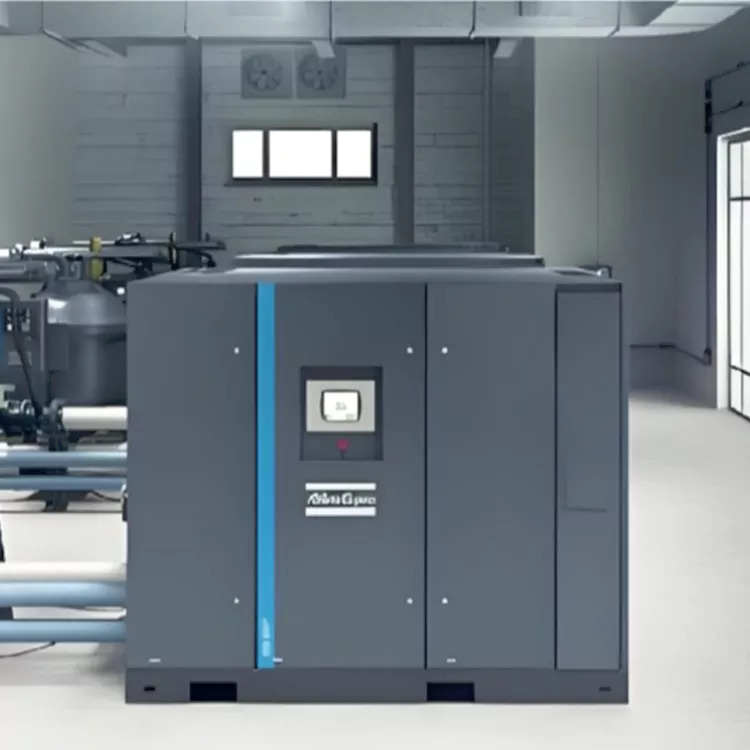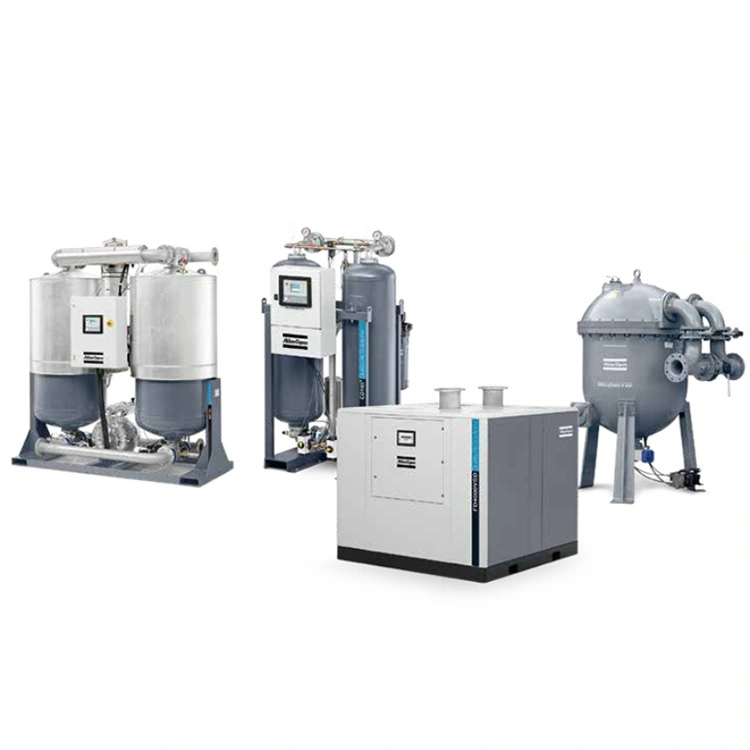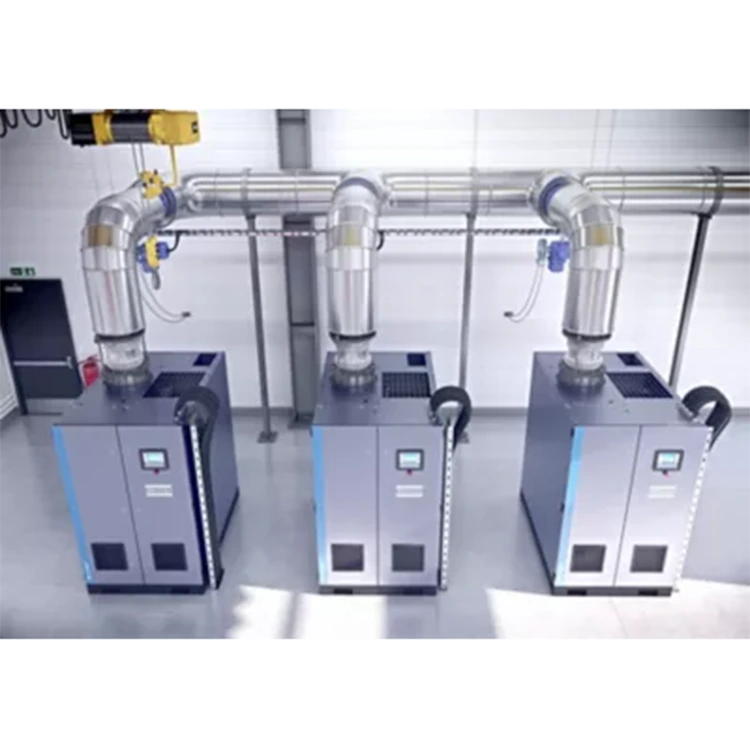
Centrifugal Air Compressor is the foundational piece of equipment in many industrial compressed air systems. In this comprehensive guide, we will explain its principles, applications, benefits, drawbacks, and selection tips so you can understand its value and how to choose the right solution from leaders like Dechuan Compressor (Shanghai) Co., Ltd.
This article answers the most common questions about centrifugal air compressors, including how they work, what components they comprise, why they are preferred in certain industries, and what advantages and limitations they have compared with other compressor technologies. You will also find practical application areas, a comparison table, and a detailed FAQ section to support decision‑making.
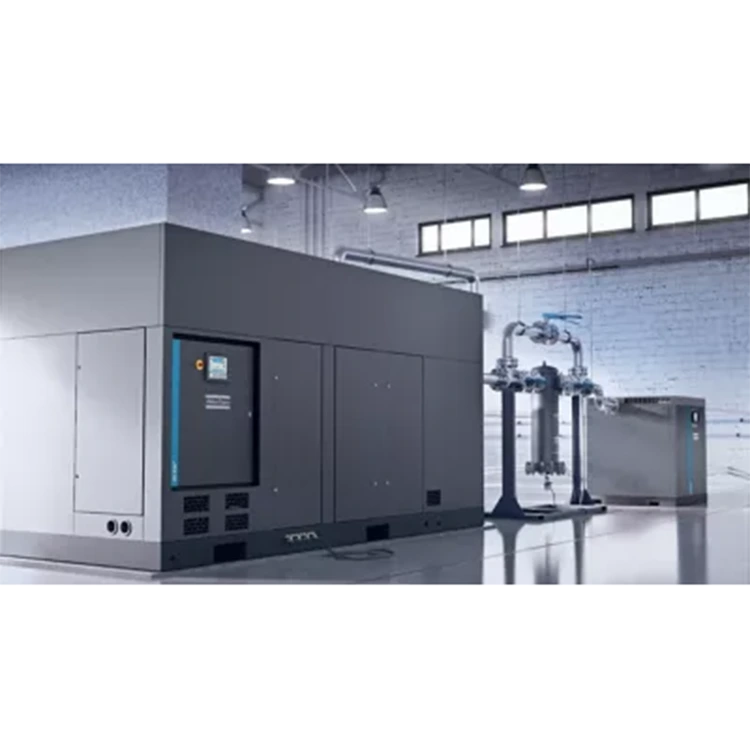
A centrifugal air compressor is a type of dynamic compressor that uses rotating impellers to compress air by converting kinetic energy into increased pressure. Unlike positive displacement compressors, which trap and compress air in a chamber, centrifugal designs accelerate air outward by centrifugal force, converting this high‑velocity flow into static pressure via diffusers and volutes.
This enables continuous compression with stable airflow — making it ideal for systems requiring large volumes of compressed air at consistent pressure levels.
| Stage | Description |
|---|---|
| Air Intake | Air enters the center of the compressor through intake vanes. |
| Impeller Acceleration | Impeller blades increase the air’s velocity through rotation. |
| Diffuser Conversion | Velocity drops in diffuser, converting kinetic energy into pressure. |
| Discharge | Compressed air exits to the outlet for usage or further stage compression. |
Centrifugal air compressors are selected for their efficiency in handling high airflow rates, stable operation, and oil‑free air output. Because they operate with fewer rubbing internal parts, they tend to require less maintenance and provide long service life in continuous industrial duty.
These compressors deliver clean, oil‑free compressed air, which is essential in applications such as food processing, pharmaceuticals, and electronics where air purity matters.
Because of their ability to handle large air volumes, centrifugal air compressors are widely used in:
What is the main working principle of a centrifugal air compressor?
A centrifugal air compressor uses centrifugal force generated by high‑speed rotating impellers to increase air velocity, which is then converted into higher pressure through diffusers.
Why is centrifugal air compression preferred in industrial applications?
It’s preferred for its continuous airflow, ability to handle large volumes of air, and minimal need for lubrication, providing reliable and efficient performance.
How is a multi‑stage centrifugal compressor different?
In a multi‑stage centrifugal compressor, air passes through several sets of impellers and diffusers in series to achieve higher pressure levels than a single‑stage design.
Can centrifugal compressors deliver oil‑free air?
Yes — because they rely on dynamic motion and not internal lubrication, many models provide 100% oil‑free compressed air.
What are typical applications for centrifugal air compressors?
They are used in petrochemical plants, HVAC systems, manufacturing facilities, power generation, and water treatment processes.



Copyright © 2025 Dechuan Compressor (Shanghai) Co., Ltd. All Rights Reserved.