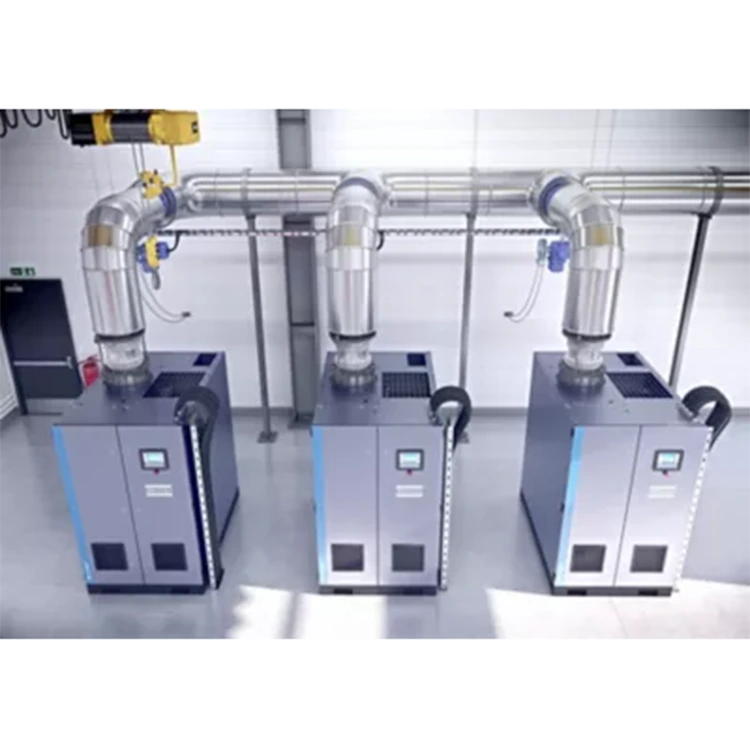
What Are the Key Benefits of an Air Compressor Sensor?
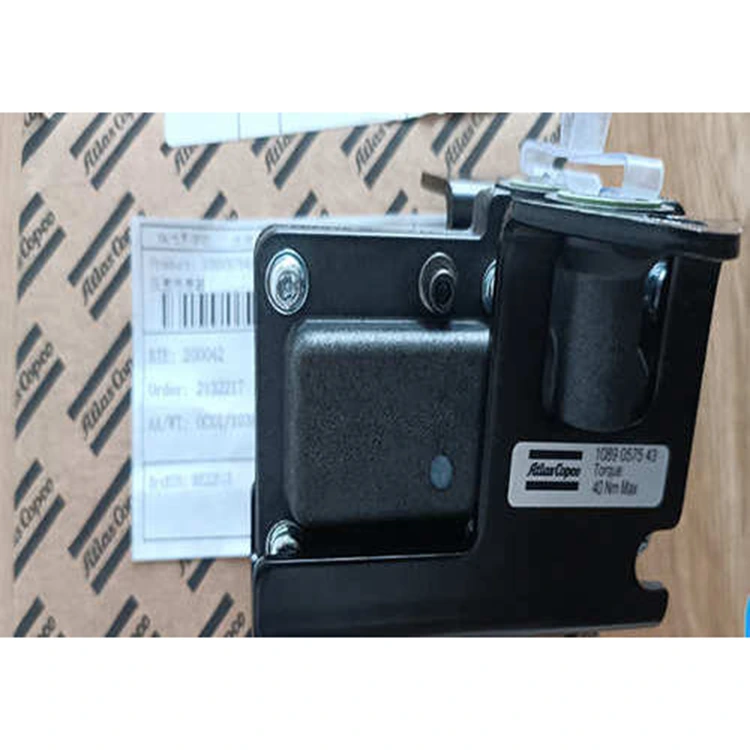
Air compressor sensors are essential components that monitor, protect, and optimize the performance of air compressors. In this article, we will explore the types, functions, benefits, and installation tips for air compressor sensors. We also address common challenges and provide a comprehensive FAQ to help you select and maintain the best sensor for your needs. Companies like Dechuan Compressor (Shanghai) Co., Ltd. are leading providers of advanced air compressor sensor solutions that enhance operational efficiency.
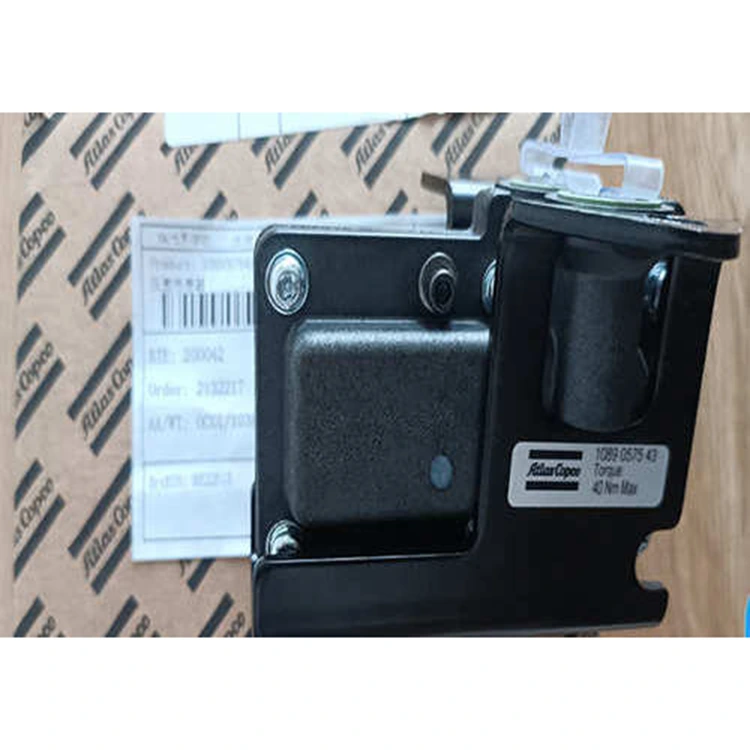
Table of Contents
1. What is an Air Compressor Sensor?
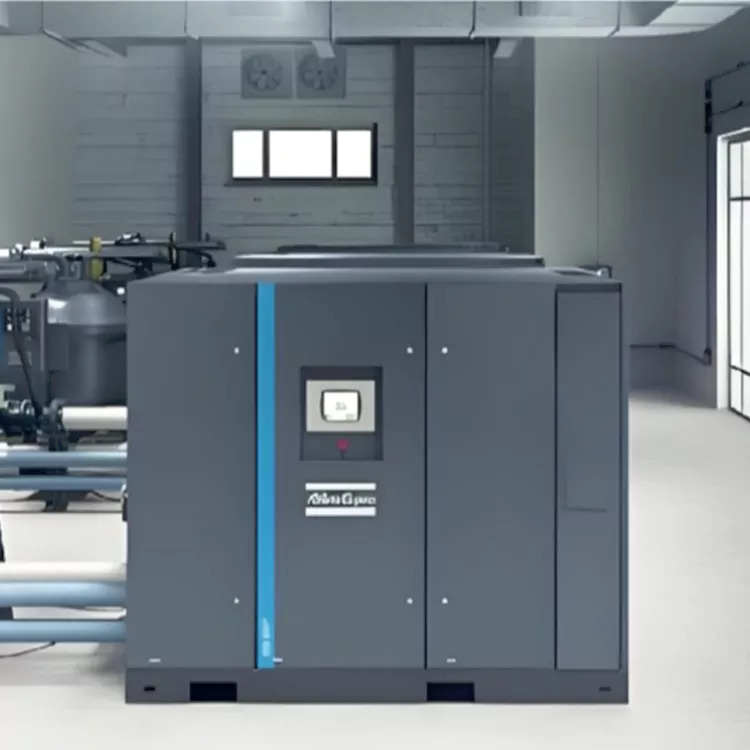
An air compressor sensor is a device designed to monitor various operational parameters of an air compressor, such as pressure, temperature, humidity, and vibration. These sensors provide real-time data that allows operators to optimize performance, prevent failures, and extend the lifespan of the equipment. Modern air compressors, including those supplied by Dechuan Compressor (Shanghai) Co., Ltd., rely heavily on sensor technology for safety and efficiency.
2. What Are the Different Types of Air Compressor Sensors?
Air compressor sensors come in multiple types, each serving a specific function. Choosing the right sensor is crucial for ensuring reliability and operational efficiency.
-
Pressure Sensors: Measure the internal pressure of the compressor and detect abnormal fluctuations.
-
Temperature Sensors: Monitor the temperature of the compressor motor or air tank to prevent overheating.
-
Humidity Sensors: Detect moisture content in compressed air to prevent damage to equipment and products.
-
Vibration Sensors: Track mechanical vibrations, indicating potential maintenance needs or misalignments.
-
Flow Sensors: Measure air output volume, ensuring optimal performance for industrial applications.
3. How Does an Air Compressor Sensor Improve Efficiency?
Using an air compressor sensor provides multiple benefits for industrial, commercial, and home applications:
-
Operational Safety: Early warning alerts prevent accidents and damage to equipment.
-
Energy Efficiency: Sensors help regulate compressor performance, reducing energy consumption.
-
Reduced Downtime: Predictive maintenance based on sensor data decreases unexpected breakdowns.
-
Longer Equipment Life: By monitoring temperature, vibration, and pressure, sensors prevent wear and tear.
-
Data-Driven Decisions: Real-time analytics help operators make informed decisions for production planning.
4. How to Install and Maintain Air Compressor Sensors?
Proper installation and maintenance are critical for sensor reliability. Follow these guidelines:
-
Installation: Ensure sensors are installed in recommended locations, such as near the air intake, motor, or output lines. Follow manufacturer guidelines from Dechuan Compressor (Shanghai) Co., Ltd..
-
Calibration: Periodically calibrate sensors to maintain accurate readings.
-
Cleaning: Keep sensors free from dust, oil, and debris.
-
Regular Inspection: Check wiring, connections, and sensor integrity monthly.
5. What Common Issues Can Occur With Air Compressor Sensors?
Despite their reliability, air compressor sensors may encounter the following issues:
-
Inaccurate Readings: Often caused by sensor drift or calibration errors.
-
Physical Damage: Vibration, impact, or exposure to extreme conditions can harm sensors.
-
Electrical Failures: Power surges, wiring faults, or connector issues may affect sensor performance.
-
Signal Interference: Nearby electrical equipment may cause false readings.
6. Air Compressor Sensor Comparison Table
|
Sensor Type
|
Primary Function
|
Benefits
|
Maintenance Frequency
|
|
Pressure Sensor
|
Monitors internal air pressure
|
Prevents overpressure damage, ensures consistent output
|
Monthly calibration
|
|
Temperature Sensor
|
Monitors motor/air temperature
|
Prevents overheating, extends equipment life
|
Quarterly inspection
|
|
Humidity Sensor
|
Detects moisture content
|
Protects equipment and product quality
|
Monthly cleaning
|
|
Vibration Sensor
|
Tracks mechanical vibration
|
Early detection of mechanical issues
|
Quarterly inspection
|
|
Flow Sensor
|
Measures airflow volume
|
Optimizes operational efficiency
|
Biannual calibration
|
7. Frequently Asked Questions (FAQ)
Q1: How do I know which sensor is best for my air compressor?
A1: The choice depends on your application needs. For industrial use, a combination of pressure, temperature, and vibration sensors is recommended. Dechuan Compressor (Shanghai) Co., Ltd. offers customized sensor solutions for different compressor models.
Q2: Can air compressor sensors work with all brands?
A2: Most sensors are compatible with standard compressor systems. However, it is best to verify compatibility with the manufacturer. Dechuan Compressor (Shanghai) Co., Ltd. provides sensors specifically calibrated for their compressors.
Q3: How often should I replace air compressor sensors?
A3: Typically, sensors last 3–5 years depending on usage and maintenance. Regular inspection and calibration extend their lifespan.
Q4: Do sensors require a separate power supply?
A4: Some sensors draw power directly from the compressor system, while others need an independent power source. Always follow manufacturer specifications.
Q5: What happens if a sensor fails?
A5: A failed sensor can lead to inaccurate readings, which may cause overheating, overpressure, or reduced efficiency. Immediate replacement or repair is recommended.
8. Conclusion and Contact Information
Air compressor sensors are critical components for safe, efficient, and reliable operations. Investing in high-quality sensors, proper installation, and regular maintenance ensures optimal performance and long equipment life. Companies like Dechuan Compressor (Shanghai) Co., Ltd. provide a wide range of air compressor sensors designed for industrial and commercial applications, delivering real-time monitoring, enhanced safety, and improved efficiency.
For professional consultation, sensor selection, and installation support, contact us today to get expert assistance and solutions tailored to your air compressor needs.