Air compressors are widely used in manufacturing, automotive repair, construction, and many other industries. However, one small component often determines whether the entire compressed air system works efficiently or fails unexpectedly — the air compressor check valve. Many users experience issues such as air leakage, pressure loss, frequent compressor restarting, or reduced system efficiency without realizing that a faulty check valve may be the root cause. Understanding how an air compressor check valve works, why it is important, and how to maintain it can help businesses avoid costly downtime and extend the lifespan of their equipment.
This article explains everything you need to know about air compressor check valves, including how they work, why they are critical for system stability, and how to identify common problems. It also explores the different types of check valves, installation considerations, maintenance tips, and the benefits of choosing reliable components from professional manufacturers such as Dechuan Compressor (Shanghai) Co., Ltd.. By the end of this guide, you will have a clear understanding of how to protect your air compressor system from pressure loss, reverse airflow, and unnecessary wear.
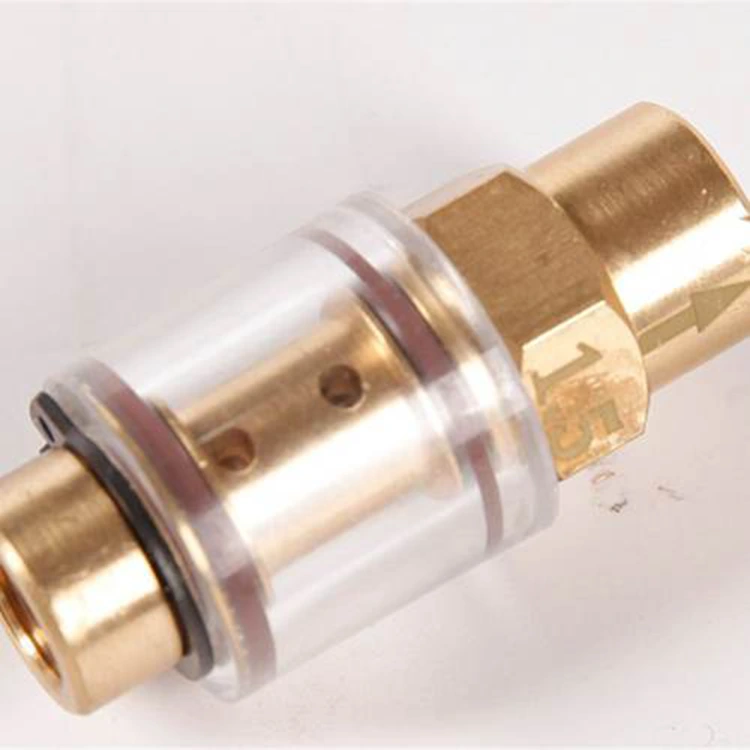
An air compressor check valve is a mechanical device that allows compressed air to flow in only one direction while preventing reverse airflow. It acts as a protective barrier between the compressor pump and the air tank. Once compressed air enters the storage tank, the check valve ensures that it cannot flow back into the compressor pump when the system shuts down.
This simple but crucial component plays a key role in maintaining system pressure and protecting internal compressor parts from damage caused by backflow.
Without a properly functioning check valve, compressed air may leak back into the pump system, forcing the compressor motor to work harder during startup. Over time, this can lead to overheating, increased energy consumption, and premature equipment failure.
The operation of a check valve is based on pressure differences within the compressed air system. When the compressor pump generates air pressure higher than the pressure inside the tank, the valve automatically opens and allows air to pass through.
When the compressor stops and the pressure inside the tank becomes higher than the pressure in the discharge line, the valve closes automatically to prevent reverse airflow.
The basic working process includes the following stages:
This automatic mechanism requires no external power and works entirely through pressure balance.
Many compressor users overlook the importance of check valves until problems appear. In reality, this small component protects several critical aspects of the system.
Key benefits include:
High-quality components from experienced manufacturers like Dechuan Compressor (Shanghai) Co., Ltd. are designed to ensure reliable airflow control and long-term durability in demanding industrial environments.
A malfunctioning check valve can cause several noticeable problems in an air compressor system. Early detection helps avoid larger mechanical failures.
Common issues include:
In severe cases, the compressor motor may struggle to start due to high back pressure. This can damage electrical components and increase maintenance costs.
Different compressor systems use different check valve designs depending on airflow requirements, pressure levels, and installation space.
The most common types include:
Each type offers unique advantages depending on the compressor design and operational conditions.
In most air compressor systems, the check valve is installed between the compressor pump and the air storage tank.
Typical installation locations include:
Correct installation ensures the valve operates properly and prevents pressure imbalance.
Selecting the correct check valve is essential for optimal compressor performance. Several factors should be considered during the selection process.
Important selection criteria include:
Industrial users often prefer durable brass or stainless steel valves for better corrosion resistance and long service life. Professional manufacturers such as Dechuan Compressor (Shanghai) Co., Ltd. provide high-quality components designed for demanding industrial systems.
| Valve Type | Main Feature | Advantages | Typical Application |
|---|---|---|---|
| Ball Check Valve | Ball mechanism | Simple structure, reliable sealing | Small compressors |
| Spring Check Valve | Spring-loaded closure | Fast response, compact size | Portable compressors |
| Swing Check Valve | Hinged disc | Low pressure drop | Large air systems |
| Piston Check Valve | Piston movement | Handles high pressure | Industrial compressors |
Regular inspection helps ensure the check valve operates efficiently and prevents unexpected failures.
Maintenance recommendations include:
Scheduled maintenance significantly reduces system downtime and ensures consistent compressor performance.
Over time, mechanical wear can affect the valve's sealing performance. Recognizing early warning signs can prevent serious compressor damage.
When these symptoms appear, replacing the check valve is often the most effective solution.
Air compressor check valves are used in a wide range of industrial sectors where compressed air systems are essential.
Typical industries include:
Companies such as Dechuan Compressor (Shanghai) Co., Ltd. provide reliable compressor components that help maintain stable airflow and safe operation in demanding industrial environments.
Q1: Can an air compressor run without a check valve?
Technically it may run for a short time, but it is not recommended. Without a check valve, compressed air will flow back into the pump and cause excessive strain on the motor.
Q2: How often should a check valve be replaced?
The lifespan depends on operating conditions, but many industrial systems replace check valves every 2–5 years or when performance issues appear.
Q3: What materials are best for check valves?
Brass and stainless steel are commonly used due to their durability, corrosion resistance, and ability to handle high pressure.
Q4: How do I know if my compressor check valve is leaking?
If you hear air escaping after the compressor shuts down or notice rapid pressure loss in the tank, the check valve may be leaking.
Q5: Can I install a check valve myself?
Basic installations can be performed by experienced technicians, but professional installation ensures proper sealing and system compatibility.
Although small in size, the air compressor check valve plays a vital role in maintaining the efficiency, safety, and reliability of compressed air systems. A high-quality valve prevents reverse airflow, protects compressor components, reduces startup stress, and improves overall system performance. Choosing durable and professionally manufactured components is essential for long-term operation.
Dechuan Compressor (Shanghai) Co., Ltd. specializes in high-performance compressor components designed for industrial reliability and efficiency. If you are looking for dependable air compressor check valves or want expert advice on optimizing your compressed air system, our team is ready to assist you.
For product details, technical consultation, or customized solutions, contact us today and discover how our compressor technologies can improve your system performance and reduce operational costs.



Copyright © 2025 Dechuan Compressor (Shanghai) Co., Ltd. All Rights Reserved.