Article Summary
Compressed air is widely recognized as the fourth utility in modern industrial production. However, untreated compressed air often contains moisture, oil aerosols, dust particles, microorganisms, and other contaminants that can negatively impact equipment performance, product quality, and operational reliability. Post-processing equipment plays a critical role in removing these impurities and ensuring that compressed air meets the required standards for industrial applications.
This article explains how post-processing equipment works, why it is essential for different industries, and how businesses can choose the right solution to maximize efficiency, reduce maintenance costs, and protect valuable equipment.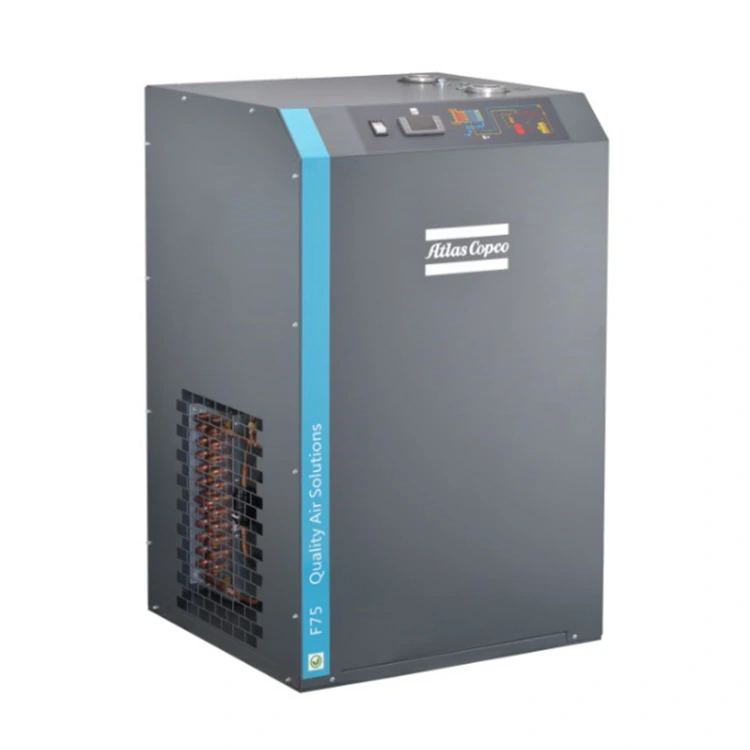
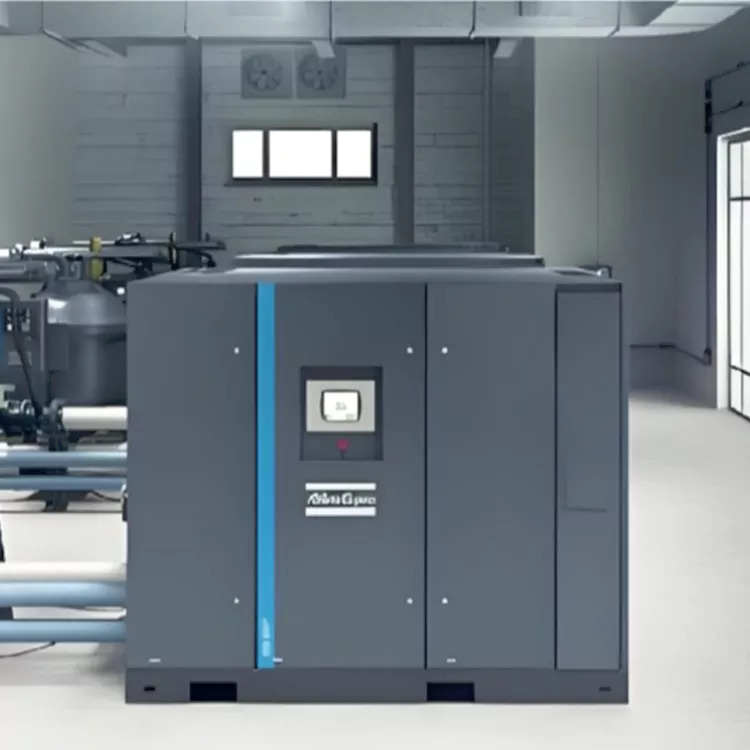
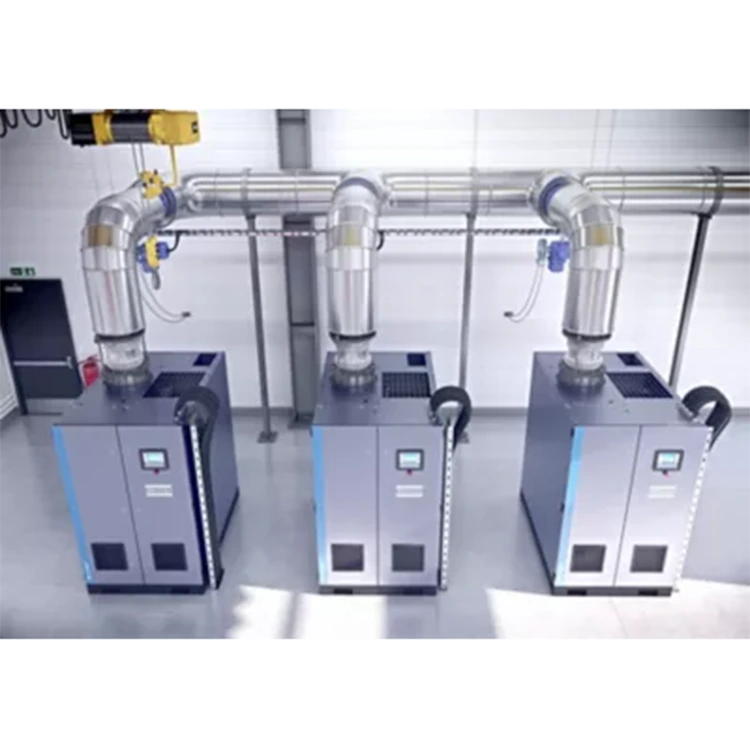
Post-processing equipment refers to the collection of devices installed after an air compressor to improve compressed air quality before it reaches production equipment or end-use applications.
Although air compressors generate compressed air efficiently, the compression process naturally concentrates contaminants that already exist in the atmosphere. Without proper treatment, these contaminants may cause:
Post-processing systems are designed to remove these harmful elements and deliver clean, dry, and stable compressed air.
Many manufacturers invest heavily in advanced compressors but overlook the importance of air treatment. In reality, poor air quality can create costs far exceeding the initial investment in proper post-processing equipment.
Industrial facilities often face several challenges:
By implementing an effective post-processing solution, businesses can maintain stable production conditions while minimizing operational risks.
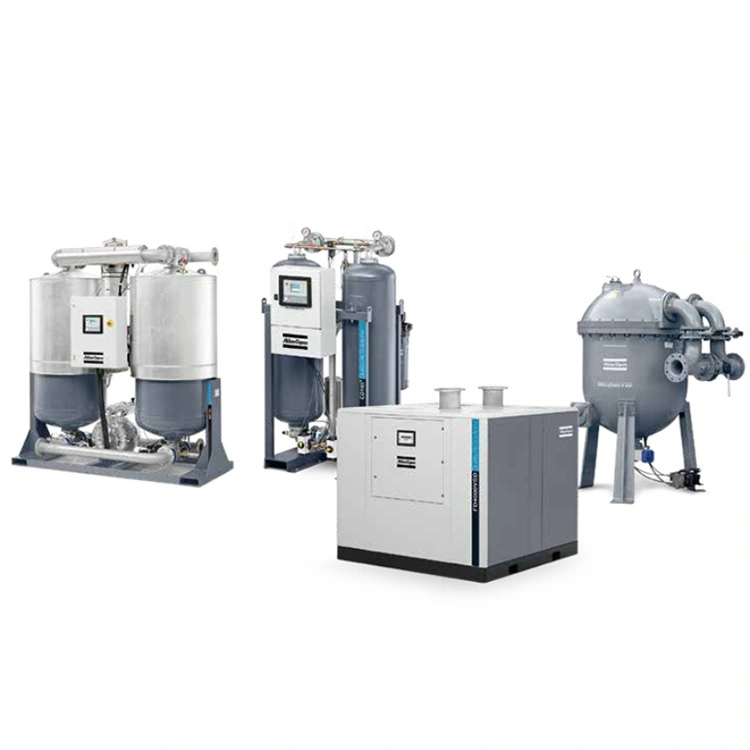
A complete compressed air treatment system typically consists of several essential components.
| Equipment | Primary Function |
|---|---|
| Air Receiver Tank | Stores compressed air and stabilizes pressure fluctuations |
| Refrigerated Air Dryer | Removes moisture by cooling compressed air |
| Desiccant Air Dryer | Achieves extremely low dew points for critical applications |
| Pre-filter | Removes larger particles and liquid contaminants |
| Fine Filter | Captures oil aerosols and microscopic particles |
| Activated Carbon Filter | Eliminates oil vapor and odors |
| Automatic Drain | Discharges collected condensate efficiently |
Each component serves a unique purpose and contributes to overall air quality improvement.
The post-processing workflow follows a systematic sequence to maximize purification efficiency.
Step 1: Air Storage and Stabilization
Compressed air first enters an air receiver tank. The tank helps balance pressure fluctuations and provides temporary storage capacity for varying production demands.
Step 2: Moisture Removal
The compressed air then passes through an air dryer. Moisture is one of the most damaging contaminants in compressed air systems. Dryers significantly reduce water content to prevent corrosion and equipment damage.
Step 3: Particle Filtration
Filters remove dust, rust particles, scale, and other solid contaminants generated during compression and transportation.
Step 4: Oil Removal
Specialized coalescing filters capture oil aerosols and fine mist particles that may remain in the compressed air stream.
Step 5: Final Purification
Activated carbon filters remove oil vapors and odors, providing exceptionally clean air suitable for sensitive industrial applications.
Different industries have different compressed air quality requirements. Post-processing equipment helps ensure compliance with those standards.
| Industry | Air Quality Requirement |
|---|---|
| Food Processing | Oil-free and contaminant-free compressed air |
| Pharmaceutical Manufacturing | Ultra-clean and dry compressed air |
| Electronics Production | Particle-free compressed air |
| Automotive Manufacturing | Reliable air supply for automation systems |
| Textile Industry | Consistent dry air to protect fabric quality |
| Chemical Processing | Stable and contamination-controlled air systems |
Industries that demand high product consistency particularly benefit from advanced post-processing systems.
Investing in high-quality post-processing equipment offers numerous operational advantages.
Improved Product Quality
Clean compressed air reduces contamination risks and helps maintain consistent product standards.
Extended Equipment Life
Removing moisture and contaminants minimizes wear on pneumatic components, valves, cylinders, and production machinery.
Lower Maintenance Costs
Cleaner air reduces the frequency of repairs, part replacements, and unplanned maintenance activities.
Enhanced Energy Efficiency
Well-maintained air systems operate more efficiently, reducing energy consumption throughout the facility.
Reduced Downtime
Reliable compressed air quality helps prevent production interruptions caused by equipment failure.
Regulatory Compliance
Many industries require strict air quality standards. Proper treatment systems help businesses meet these requirements confidently.
Selecting the correct post-processing solution requires careful evaluation of operational needs.
Consider the following factors:
For example, a manufacturing facility operating standard pneumatic tools may use a refrigerated dryer, while pharmaceutical facilities often require desiccant dryers and multiple filtration stages.
Many companies encounter performance issues because of incorrect system design or maintenance practices.
A comprehensive system design approach delivers better long-term performance and lower lifecycle costs.
| Feature | Refrigerated Dryer | Desiccant Dryer |
|---|---|---|
| Initial Cost | Lower | Higher |
| Operating Cost | Lower | Moderate to High |
| Dew Point Capability | Moderate | Very Low |
| Industrial Applications | General Manufacturing | Critical Production Processes |
| Maintenance Requirements | Relatively Simple | More Specialized |
Choosing between these options depends largely on air quality requirements and operational objectives.
Q1: Why can't I use compressed air directly from the compressor?
Compressed air generated directly from a compressor often contains water, oil, and particulate contaminants that can damage equipment and compromise product quality.
Q2: How often should filters be replaced?
Replacement intervals vary based on operating conditions, but most industrial filters require inspection and replacement according to manufacturer recommendations.
Q3: Is an air dryer always necessary?
In most industrial environments, yes. Moisture is one of the leading causes of compressed air system problems and equipment corrosion.
Q4: What is the difference between refrigerated and desiccant dryers?
Refrigerated dryers provide efficient moisture removal for general industrial applications, while desiccant dryers achieve significantly lower dew points for critical processes.
Q5: Can post-processing equipment reduce maintenance costs?
Absolutely. Proper air treatment helps protect downstream equipment, reducing repair frequency and extending component lifespan.
Post-processing equipment is an essential part of every reliable compressed air system. By removing moisture, oil, particles, and other contaminants, these systems help improve product quality, enhance operational efficiency, reduce maintenance expenses, and extend equipment life.
Whether operating in manufacturing, food processing, pharmaceuticals, electronics, automotive production, or other industrial sectors, selecting the right compressed air treatment solution can significantly impact overall productivity and long-term profitability.
As a trusted provider of compressed air system solutions, DECHUAN offers comprehensive post-processing equipment designed to meet the demanding requirements of modern industries. If you are looking to improve compressed air quality, optimize system performance, and reduce operational costs, contact us today to discuss the most suitable solution for your application and discover how DECHUAN can support your business growth.



Copyright © 2025 Dechuan Compressor (Shanghai) Co., Ltd. All Rights Reserved.