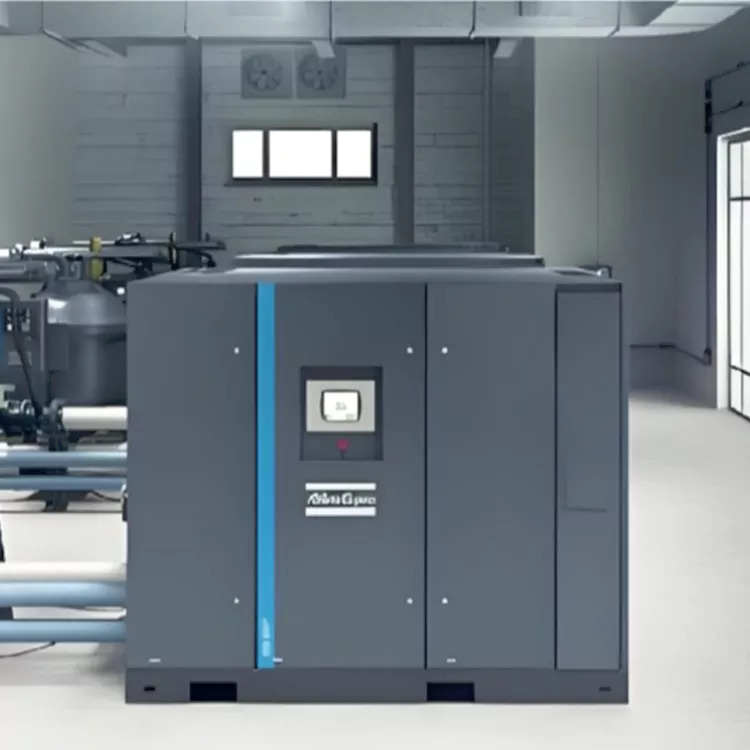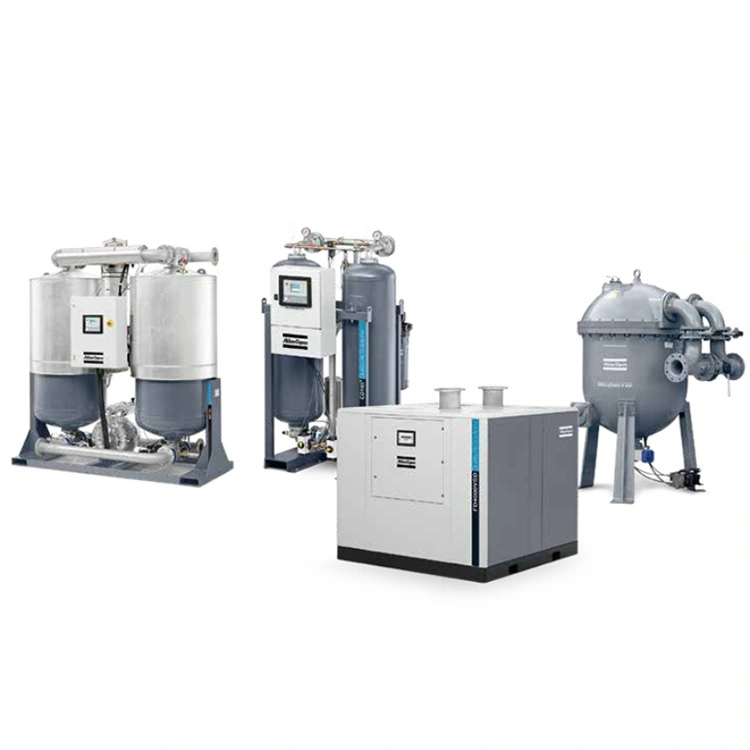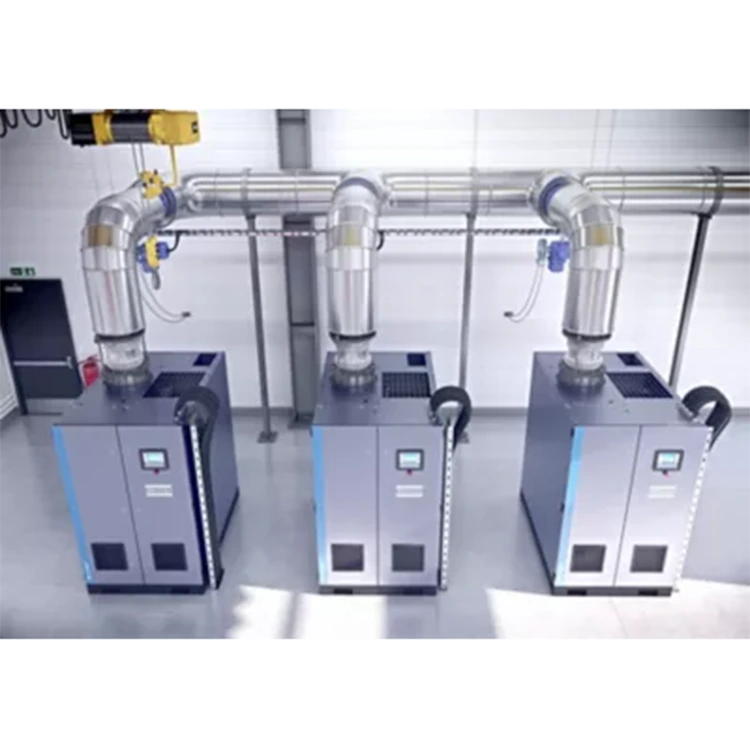
In modern manufacturing, energy efficiency, product purity, and operational stability are no longer optional—they are essential. Industries such as food processing, pharmaceuticals, electronics, textiles, and wastewater treatment demand compressed air systems that deliver reliable performance without contamination risks. A Low-Pressure Oil-Free Screw Air Compressor offers a specialized solution designed to meet these needs. Unlike traditional lubricated compressors, oil-free systems eliminate the risk of oil carryover, ensuring clean, dry air while optimizing energy use for low-pressure applications. This comprehensive guide explores how low-pressure oil-free screw compressors work, their advantages, cost implications, selection criteria, maintenance strategies, and how trusted manufacturers like Dechuan Compressor (Shanghai) Co., Ltd. provide dependable solutions for diverse industrial challenges.
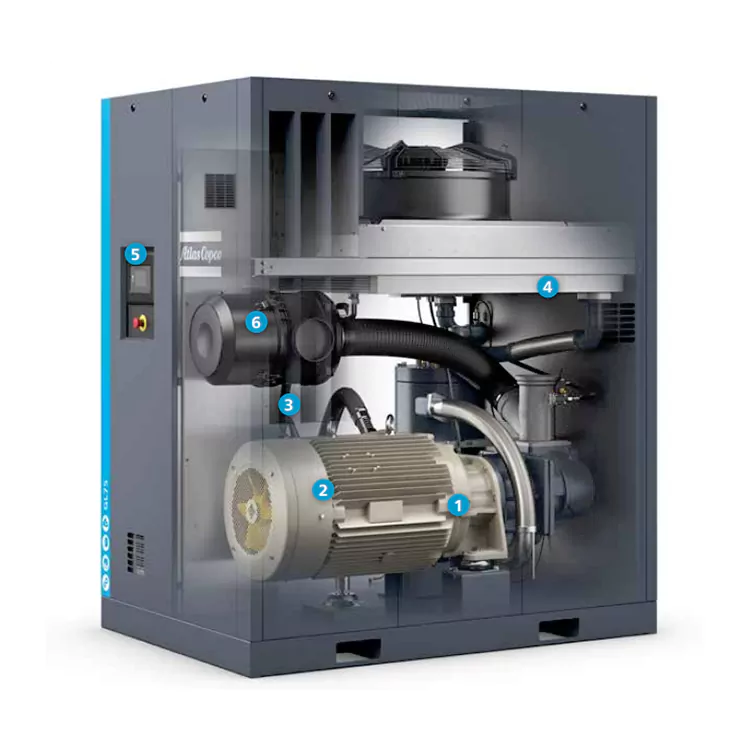
This article explains the working principle and benefits of a Low-Pressure Oil-Free Screw Air Compressor, compares it with conventional systems, and highlights its applications across industries. You will learn how to evaluate system specifications, reduce operational costs, and improve compressed air quality. Practical tables, FAQs, and selection guidelines are included to support informed decision-making.
A Low-Pressure Oil-Free Screw Air Compressor is a rotary screw compressor engineered to deliver compressed air at lower discharge pressures—typically between 1.5 to 4.0 bar—without the use of oil in the compression chamber. Instead of relying on lubrication for sealing and cooling, it uses precision-engineered rotors and advanced coating technology to maintain efficiency and durability.
The absence of oil in the compression chamber ensures that the discharged air remains free from oil contamination, making it suitable for sensitive applications. Companies such as Dechuan Compressor (Shanghai) Co., Ltd. design these systems with high-efficiency airends and optimized cooling structures to maximize reliability.
The working principle is based on synchronized rotary screw elements. Two helical rotors mesh together, trapping air between them and reducing its volume as it moves along the rotor length. The reduction in volume increases pressure.
Low-pressure systems are particularly efficient when large airflow volumes are required but high pressure is unnecessary, reducing overall power consumption.
1. Oil-Free Air Quality
Eliminates contamination risks, ensuring compliance with strict air purity standards.
2. Energy Savings
Lower compression ratios result in reduced energy consumption compared to high-pressure systems operating inefficiently at low demand.
3. Reduced Maintenance
No oil changes, fewer filters, and simplified system components.
4. Environmental Benefits
Minimizes oil disposal and environmental hazards.
5. Long-Term Reliability
Advanced rotor coatings improve wear resistance.
For example, wastewater treatment facilities often require large airflow volumes at low pressure. Using a high-pressure compressor in such cases leads to energy waste. A low-pressure oil-free system designed by Dechuan Compressor (Shanghai) Co., Ltd. can significantly reduce operational expenses.
| Factor | Oil-Lubricated Compressor | Low-Pressure Oil-Free Screw |
|---|---|---|
| Initial Investment | Moderate | Slightly Higher |
| Energy Consumption | Higher | Lower |
| Maintenance Cost | Oil & Filter Replacement | Minimal |
| Air Purity | Risk of Contamination | 100% Oil-Free |
| Lifecycle Cost | Higher Over Time | Lower Over Time |
Although the upfront cost may be slightly higher, operational savings in energy and maintenance quickly offset the difference.
When choosing a Low-Pressure Oil-Free Screw Air Compressor, consider the following:
Consulting experienced manufacturers such as Dechuan Compressor (Shanghai) Co., Ltd. ensures proper system sizing and integration.
Proper installation ensures optimal performance:
Routine maintenance typically includes checking rotor alignment, cleaning cooling systems, and inspecting seals. Since there is no oil in the compression chamber, servicing is simplified.
| Parameter | Typical Range |
|---|---|
| Pressure Range | 1.5 – 4.0 bar |
| Flow Capacity | 10 – 120 m³/min |
| Drive Type | Direct Drive |
| Cooling Method | Air / Water |
| Noise Level | Low (Optimized Enclosure) |
Issue: Reduced Airflow
Solution: Check intake filter and ensure no blockage.
Issue: Overheating
Solution: Inspect cooling system and ventilation.
Issue: Unusual Noise
Solution: Examine rotor alignment and bearings.
Q1: Is oil-free really necessary?
Yes, especially for industries where air purity directly affects product quality.
Q2: Can low-pressure systems handle heavy-duty operations?
Absolutely, if properly sized for the required airflow.
Q3: How long does a typical unit last?
With proper maintenance, 10–15 years or more.
Q4: Is energy savings significant?
In many applications, energy savings can reach 20–35% compared to oversized high-pressure systems.
A Low-Pressure Oil-Free Screw Air Compressor offers a powerful combination of clean air delivery, energy efficiency, reduced maintenance, and long-term cost savings. For industries requiring high airflow at low pressure, it represents an optimized solution that improves productivity while protecting product integrity.
Dechuan Compressor (Shanghai) Co., Ltd. specializes in advanced compressed air solutions tailored to industrial needs. With years of engineering expertise, reliable manufacturing standards, and comprehensive technical support, the company ensures that every system operates efficiently and reliably.
If you are looking to upgrade your compressed air system or reduce operational costs while improving air purity, now is the time to take action. Contact us today to discuss your project requirements and discover how a customized low-pressure oil-free screw air compressor solution can transform your facility's performance.



Copyright © 2025 Dechuan Compressor (Shanghai) Co., Ltd. All Rights Reserved.