A mobile air compressor is a highly versatile piece of equipment designed to deliver compressed air wherever it is needed, without being tied to a fixed installation. This article explains in detail how a mobile air compressor works, its internal components, industrial and commercial applications, key selection criteria, maintenance practices, and common troubleshooting insights. Whether used in construction, automotive repair, mining, or emergency services, mobile air compressors solve critical challenges related to portability, efficiency, and operational continuity. The content also introduces practical guidance from industry expertise provided by Dechuan Compressor (Shanghai) Co., Ltd., a professional manufacturer in this field.
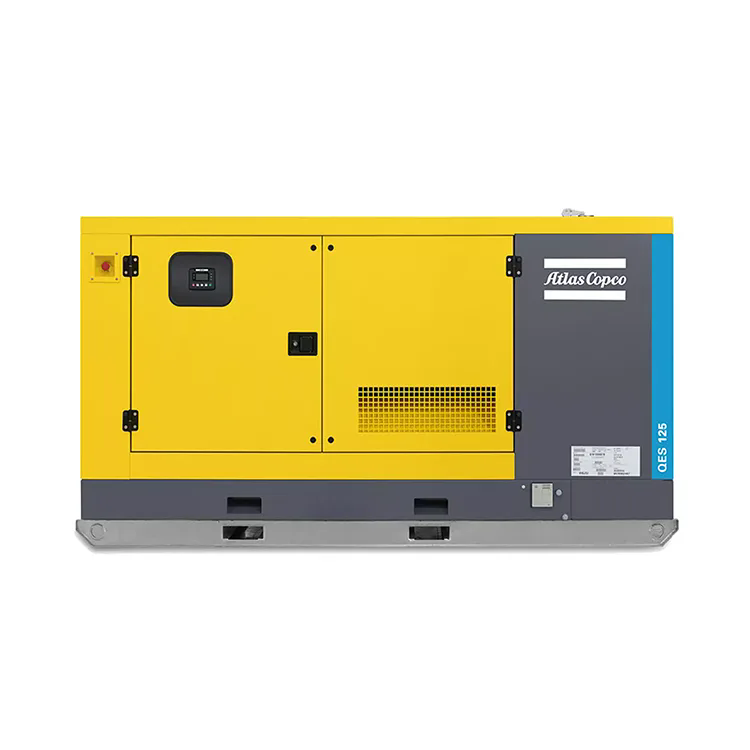
A mobile air compressor is an air compression system mounted on a portable platform such as a trailer, truck, or compact frame. Unlike stationary compressors, it is engineered for mobility and rugged environments. This makes it essential for industries requiring compressed air on-site rather than at a fixed facility.
Modern mobile air compressors are widely used in environments where flexibility, durability, and high output efficiency are critical. They provide compressed air for powering pneumatic tools, inflating equipment, cleaning surfaces, and supporting industrial operations in remote or changing locations.
The working principle of a mobile air compressor is based on air intake, compression, storage, and controlled release. Atmospheric air is drawn into the system through an intake valve. The compressor mechanism—typically a rotary screw or piston system—reduces the volume of air, increasing its pressure. This compressed air is then stored in a tank or directly supplied to connected tools and machinery.
In mobile units, the system is powered by diesel engines or electric motors depending on the application. Advanced models include intelligent control systems that regulate pressure output and fuel efficiency, ensuring consistent performance even under demanding conditions.
Understanding the structure of a mobile air compressor helps users optimize performance and reduce downtime. The main components include:
Mobile air compressors are essential across multiple industries due to their adaptability. They are especially valuable in environments where stationary systems are impractical.
Mobile air compressors provide several operational benefits that make them indispensable in field applications:
According to engineering practices at Dechuan Compressor (Shanghai) Co., Ltd., modern systems are increasingly optimized for energy efficiency and long-term durability, reducing operational costs significantly.
Selecting the right mobile air compressor depends on operational requirements and environmental conditions. Key factors include airflow capacity, pressure rating, fuel type, and portability needs.
| Factor | Consideration |
|---|---|
| Airflow (CFM) | Determine tool and equipment demand |
| Pressure (PSI) | Match with industrial application requirements |
| Power Source | Diesel or electric depending on mobility needs |
| Portability | Trailer-mounted or truck-mounted systems |
Proper maintenance ensures long service life and stable performance. Regular inspection and preventive care reduce unexpected downtime.
| Type | Mobility | Efficiency | Best Use Case |
|---|---|---|---|
| Diesel Mobile Compressor | High | Very High | Construction & mining |
| Electric Mobile Compressor | Moderate | High | Indoor & urban environments |
Even high-quality systems may experience operational challenges. Understanding common issues helps in quick resolution.
1. What is the main advantage of a mobile air compressor?
Its primary advantage is portability, allowing compressed air to be delivered directly to remote job sites.
2. Can it operate continuously?
Yes, industrial-grade models are designed for continuous operation with proper maintenance.
3. What industries use it most?
Construction, mining, oil & gas, automotive repair, and emergency services.
4. How often should maintenance be performed?
Basic inspections should be done daily, with full servicing scheduled periodically based on usage intensity.
Mobile air compressors play a critical role in modern industrial operations by delivering reliable compressed air in virtually any environment. Their flexibility, durability, and efficiency make them essential equipment for businesses that demand mobility and performance.
For advanced engineering solutions and high-performance systems, Dechuan Compressor (Shanghai) Co., Ltd. provides a wide range of reliable mobile air compressor products designed for industrial excellence.
If you are looking for tailored solutions, technical support, or product consultation, contact us today to discuss how we can support your operational needs with efficient and durable compressed air systems.



Copyright © 2025 Dechuan Compressor (Shanghai) Co., Ltd. All Rights Reserved.