Abstract: Post-processing equipment plays a critical role in modern manufacturing by refining, cleaning, and finishing products after primary production. From enhancing surface quality to ensuring compliance with industry standards, the right post-processing solutions can significantly reduce waste, improve efficiency, and increase product value. This article explores how post-processing equipment works, the challenges it solves, and how businesses can select the right systems for optimal results.
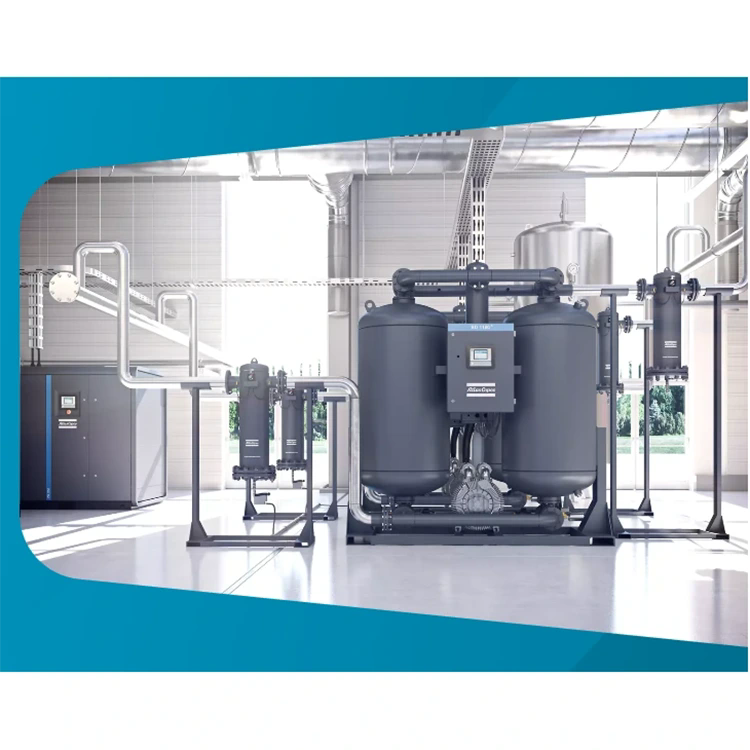
Post-processing equipment refers to machinery used after the primary production phase to refine, clean, or enhance products. These systems are widely used in industries such as manufacturing, 3D printing, automotive, electronics, and metal fabrication.
The primary goal is to transform raw or semi-finished products into high-quality, market-ready goods. This may involve removing impurities, improving surface finishes, or applying protective coatings.
Many manufacturers underestimate the importance of post-processing, focusing heavily on production while neglecting finishing stages. However, inadequate post-processing can lead to:
Effective post-processing ensures that products meet both aesthetic and functional requirements. It also helps companies comply with industry regulations and quality standards.
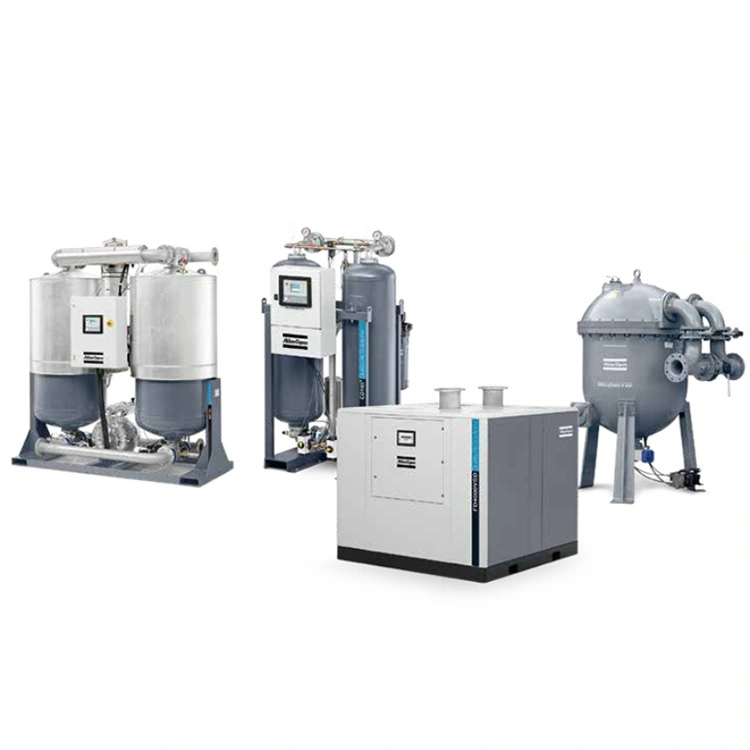
Different industries require different post-processing solutions. Below are some commonly used equipment types:
Each type serves a specific function, and often multiple systems are combined to achieve optimal results.
Investing in high-quality post-processing equipment delivers measurable advantages:
Selecting the right post-processing equipment requires a clear understanding of your operational needs. Consider the following factors:
Working with experienced suppliers like Dechuan Compressor (Shanghai) Co., Ltd. can help ensure you select equipment tailored to your specific requirements.
| Equipment Type | Main Function | Best For | Key Advantage |
|---|---|---|---|
| Cleaning System | Remove contaminants | Automotive, electronics | Improves product cleanliness |
| Drying Equipment | Remove moisture | Food, manufacturing | Prevents corrosion |
| Surface Finishing | Smooth surfaces | Metal, plastics | Enhances appearance |
| Coating System | Apply protective layers | Industrial products | Increases durability |
To maximize the lifespan and efficiency of post-processing equipment, follow these best practices:
Proper maintenance not only extends equipment life but also ensures consistent product quality.
Q1: What industries benefit most from post-processing equipment?
A: Industries such as manufacturing, automotive, aerospace, electronics, and 3D printing rely heavily on post-processing systems.
Q2: Is post-processing equipment expensive?
A: Costs vary depending on complexity and capacity, but the long-term savings from improved efficiency and reduced defects often justify the investment.
Q3: Can post-processing be automated?
A: Yes, many modern systems are fully automated, reducing labor costs and increasing consistency.
Q4: How often should equipment be maintained?
A: Maintenance schedules depend on usage, but regular inspections and preventive maintenance are essential.
Q5: How do I know which system is right for my business?
A: Evaluate your production needs, materials, and quality requirements, and consult with experienced suppliers for tailored recommendations.
In today’s competitive market, optimizing every stage of production is essential. Post-processing equipment is no longer optional—it is a strategic investment that directly impacts product quality, operational efficiency, and customer satisfaction.
If you are looking for reliable, high-performance solutions, Dechuan Compressor (Shanghai) Co., Ltd. offers advanced post-processing equipment designed to meet diverse industrial needs. Contact us today to discover how we can help elevate your production capabilities and deliver superior results.



Copyright © 2025 Dechuan Compressor (Shanghai) Co., Ltd. All Rights Reserved.