Abstract
Ingersoll Rand air compressors are widely used across manufacturing, construction, automotive, and industrial sectors due to their reliability and consistent compressed air delivery. However, many users still struggle with understanding how they work, how to choose the right model, and how to maintain long-term efficiency while controlling operating costs. This article provides a comprehensive breakdown of their working principles, key components, advantages, maintenance practices, and real-world applications. It also compares performance considerations and highlights practical solutions for common user challenges, helping buyers and operators make informed decisions.
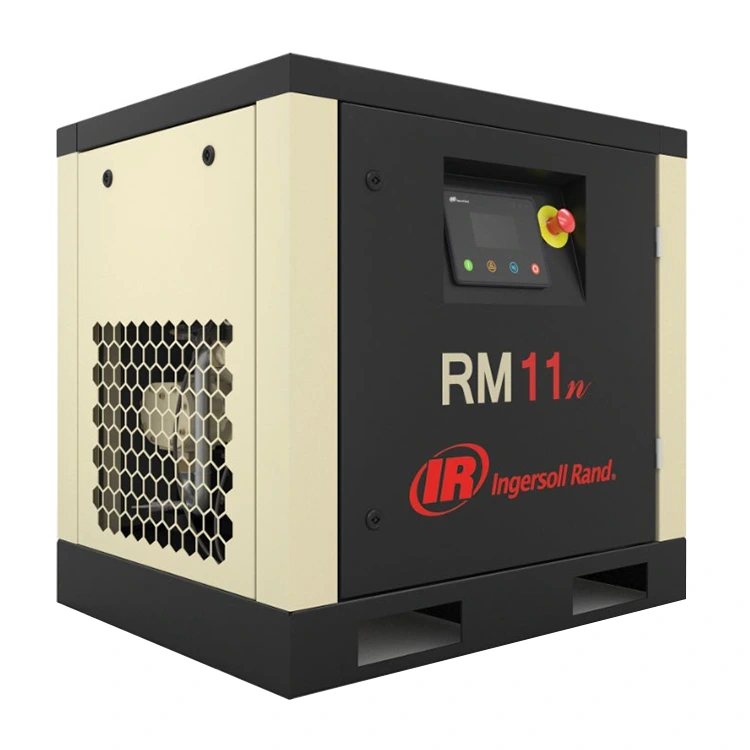
1. Overview of Ingersoll Rand Air Compressor
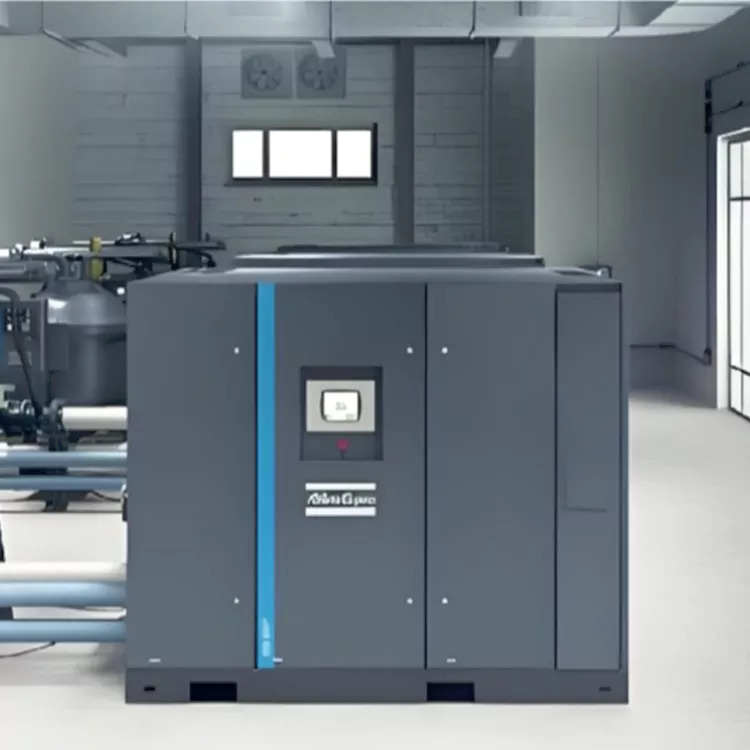
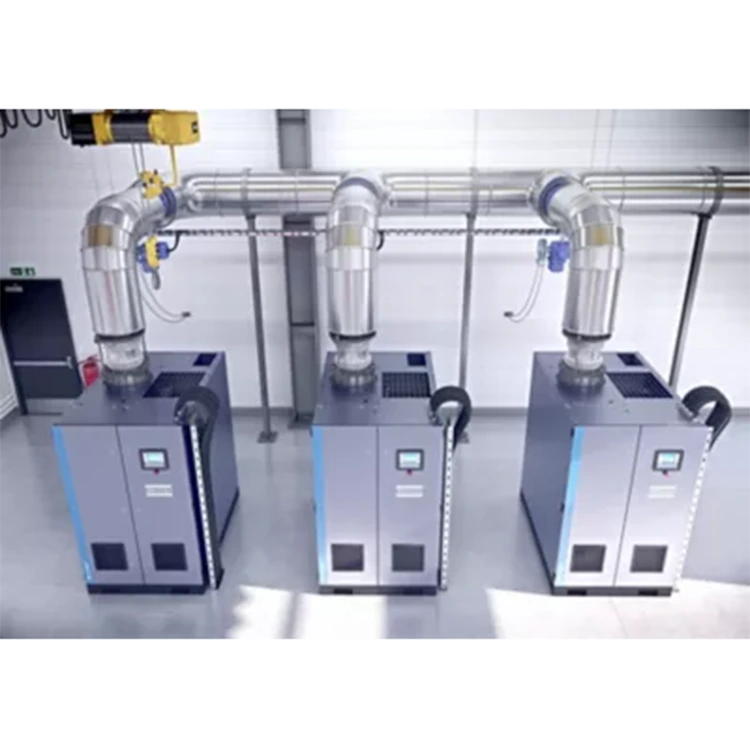
An Ingersoll Rand air compressor is a mechanical system designed to convert power (usually from an electric motor or diesel engine) into potential energy stored in compressed air. This compressed air is then used to power tools, machines, and industrial processes. The brand is known for producing both rotary screw and reciprocating compressors, offering solutions for light-duty workshops as well as heavy industrial environments.
The core value of these systems lies in stable pressure output, durability under continuous operation, and energy-efficient designs that reduce long-term operational costs.
2. How Ingersoll Rand Air Compressor Works
The working principle of an Ingersoll Rand air compressor depends on the compression technology used, but the general process remains consistent across models.
Basic Working Process:
-
Air Intake: Ambient air is drawn through an intake filter to remove dust and particles.
-
Compression Stage: Air is compressed either by rotating screws (rotary type) or pistons (reciprocating type).
-
Cooling: Heat generated during compression is reduced using air or oil cooling systems.
-
Storage: Compressed air is stored in a tank at high pressure.
-
Delivery: Regulated airflow is delivered to tools or machinery as needed.
In rotary screw models, two interlocking rotors trap and compress air continuously, making them ideal for industrial environments requiring constant airflow. In piston models, compression happens in cycles, making them suitable for intermittent use.
3. Key Features and Engineering Design
-
High Efficiency Motors: Designed to reduce energy consumption while maintaining output stability.
-
Advanced Cooling Systems: Prevent overheating during continuous operation.
-
Intelligent Controls: Monitor pressure, temperature, and system health in real time.
-
Durable Construction: Built for long service life in harsh environments.
-
Low Noise Operation: Reduced vibration and sound insulation improve workplace conditions.
These features collectively enhance reliability and reduce downtime, which is critical in production environments.
4. Common User Pain Points and Solutions
Despite their performance, users often face operational challenges. Below are common issues and practical solutions:
-
High Energy Costs: Use variable speed drive models to optimize power usage.
-
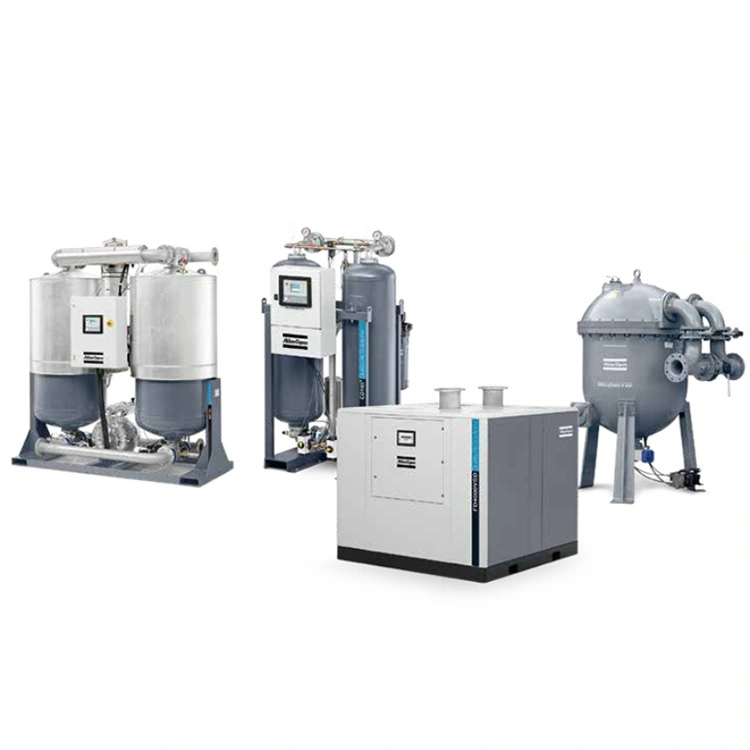
Moisture in Air Lines: Install proper dryers and filtration systems.
-
Frequent Maintenance Needs: Follow scheduled preventive maintenance routines.
-
Pressure Instability: Check for leaks and ensure correct system sizing.
Addressing these issues improves efficiency and extends equipment lifespan significantly.
5. Performance Comparison Table
|
Feature
|
Rotary Screw
|
Reciprocating
|
|
Usage Type
|
Continuous operation
|
Intermittent operation
|
|
Efficiency
|
High
|
Moderate
|
|
Maintenance Frequency
|
Lower
|
Higher
|
|
Noise Level
|
Low
|
Higher
|
|
Best Use Case
|
Industrial plants
|
Small workshops
|
6. Maintenance and Operational Best Practices
Proper maintenance ensures long-term stability and reduces unexpected downtime.
-
Regularly replace air filters to maintain airflow efficiency.
-
Inspect oil levels and replace lubricants according to schedule.
-
Check for air leaks in pipelines and fittings.
-
Monitor pressure gauges and temperature indicators.
-
Clean cooling systems to avoid overheating risks.
Preventive maintenance is significantly more cost-effective than reactive repairs.
7. Industrial Applications
Ingersoll Rand air compressors are widely used across multiple industries due to their versatility:
-
Manufacturing production lines
-
Automotive repair and painting
-
Construction pneumatic tools
-
Food and beverage processing
-
Pharmaceutical production systems
Their ability to deliver consistent compressed air makes them essential in precision-driven environments.
8. Why Choose Dechuan Compressor
While global brands like Ingersoll Rand set industry benchmarks, companies such as Dechuan Compressor provide highly competitive and customizable compressed air solutions tailored to specific industrial requirements. Dechuan Compressor focuses on energy efficiency, system integration, and cost-effective performance, making it a strong alternative for businesses seeking optimized operational value.
Dechuan Compressor systems are designed with practical engineering considerations such as stable pressure output, simplified maintenance structures, and adaptable configurations for diverse industrial applications. This makes them particularly suitable for businesses aiming to balance performance with budget efficiency.
More details can be explored here: Dechuan Compressor Air Solutions
9. Frequently Asked Questions
Q1: What makes Ingersoll Rand air compressors reliable?
They are engineered with durable components, advanced cooling systems, and efficient motors that ensure stable long-term performance.
Q2: How often should maintenance be performed?
Basic inspections should be done weekly, while full maintenance cycles depend on operating hours, typically every 3–6 months.
Q3: What type of compressor is best for industrial use?
Rotary screw compressors are generally preferred for continuous industrial applications due to their efficiency and durability.
Q4: Can compressed air quality be improved?
Yes, by using air dryers, filters, and proper system design to reduce moisture and contaminants.
10. Conclusion
Understanding how an Ingersoll Rand air compressor works helps users optimize performance, reduce operational costs, and extend equipment lifespan. From air intake to compression and storage, each stage plays a critical role in delivering reliable compressed air. However, selecting the right system and maintaining it properly is equally important for long-term success.
Whether choosing global leaders or exploring alternatives like Dechuan Compressor, the key is aligning system capability with operational demand.
For tailored compressed air solutions, system consultation, or product inquiries, contact us today and let Dechuan Compressor help you build a more efficient and reliable air system.