Article Summary: A low-pressure oil-free screw air compressor is designed for industrial processes that require a continuous supply of clean compressed air at relatively low operating pressures. From pneumatic conveying and wastewater treatment to food processing and chemical production, choosing the right compressor can improve process stability, reduce contamination risks, and optimize energy consumption.
This guide explains how low-pressure oil-free screw compressors work, their major advantages, common industrial applications, important selection criteria, and maintenance requirements. It also explores how to evaluate operating costs and match compressor performance with actual production demand.
Compressed air is an essential utility in many industrial facilities. However, not every manufacturing process requires conventional high-pressure compressed air. Applications such as material conveying, aeration, fluidization, and certain packaging operations often need large volumes of air at comparatively low pressures.
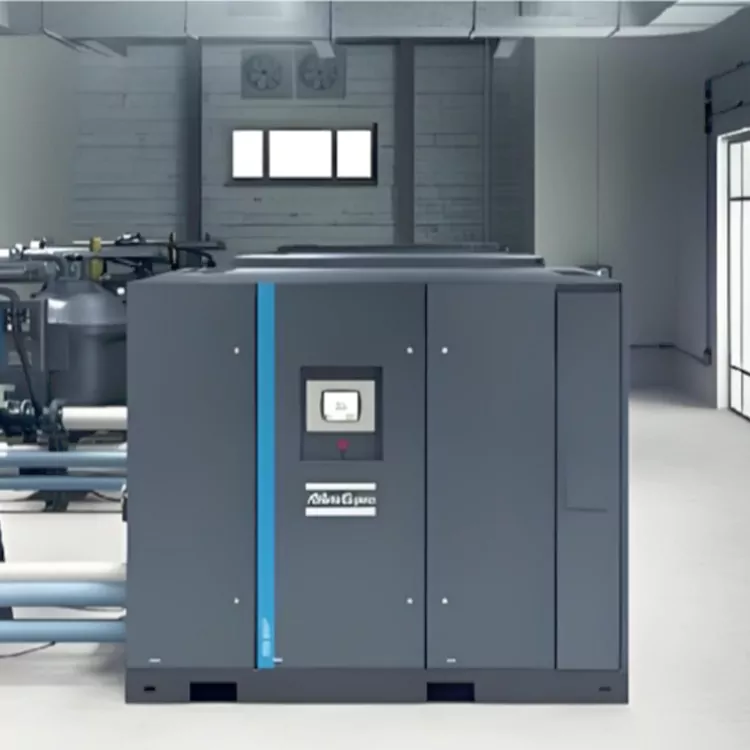
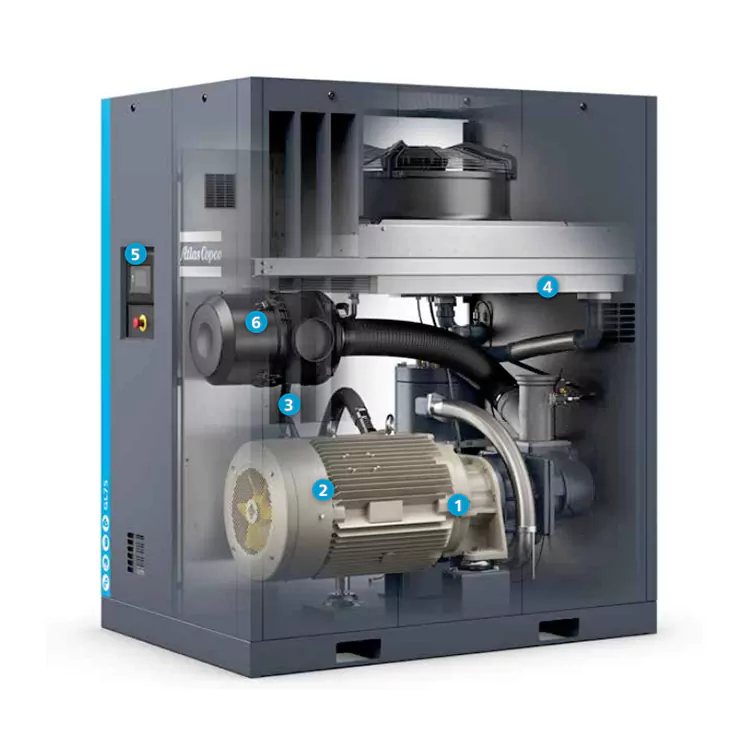
A Low-Pressure Oil-Free Screw Air Compressor is developed to meet these requirements. It uses rotary screw compression technology to deliver a continuous airflow while keeping lubricating oil out of the compression chamber. This design helps minimize the risk of oil entering the compressed air stream.
Unlike conventional high-pressure compressors, low-pressure models are configured around the pressure and airflow requirements of specific industrial processes. Their performance is particularly valuable when a production line consumes substantial air volumes but does not need unnecessarily high discharge pressure.
Oil-free compression means that oil is not injected into the compression chamber to lubricate, cool, or seal the air during compression. This reduces the main source of lubricant contamination within the compression process.
However, oil-free does not automatically mean that the final air contains absolutely no contaminants. Ambient intake air can still contain dust, moisture, and hydrocarbons. Proper air treatment and verification of the required air quality remain important.
A rotary screw compressor operates through two intermeshing helical rotors. As the rotors turn, air enters the compression chamber, becomes trapped between the rotor profiles and housing, and is progressively compressed as the available volume decreases.
In an oil-free screw compressor, the compression chamber is designed without injected lubricating oil. Precision-engineered components and synchronized rotor operation maintain the necessary clearances during compression.
Air temperature rises during compression. Excessive operating temperatures can affect component durability, compressor efficiency, and system reliability. Depending on the design, a compressor may use air cooling or water cooling to manage heat.
For facilities operating continuously, cooling capacity, ambient temperature, ventilation, and maintenance access should all be considered during equipment selection.
Industrial buyers often face three major challenges: contamination risks, excessive energy consumption, and unstable air supply. A correctly selected low-pressure oil-free screw compressor can address these concerns.
In food processing, pharmaceutical production, electronics manufacturing, and other sensitive operations, oil contamination can create product-quality problems and additional cleaning requirements.
Oil-free compression eliminates the need for oil injection in the compression chamber, reducing the primary source of oil carryover from the compressor itself. Where air purity is critical, buyers should request appropriate oil-free certification and verify the complete system's air quality.
Using a high-pressure compressor for a low-pressure process may introduce unnecessary energy consumption. Generating pressure beyond what the application needs can increase operating costs, particularly in facilities running equipment for long hours.
A purpose-designed low-pressure compressor helps align the air supply with actual process requirements. The correct solution should also account for pressure losses in dryers, filters, valves, and distribution pipelines.
Many industrial processes cannot tolerate frequent pressure fluctuations. Insufficient airflow or unstable pressure may interrupt conveying, reduce production efficiency, or affect equipment performance.
Rotary screw technology is well suited to many continuous-duty industrial applications. Correct capacity sizing, suitable controls, and an appropriately designed air receiver help maintain a more consistent supply.
Reducing oil exposure in compressed air can decrease the burden on downstream oil-removal equipment and help protect sensitive production processes. Nevertheless, intake filters, air treatment equipment, drains, and other consumables still require regular inspection and replacement.
Low-pressure oil-free screw compressors are used in industries that need relatively high airflow, controlled pressure, and clean compressed air.
Food and beverage facilities use compressed air in pneumatic conveying, ingredient handling, packaging, bottle handling, and selected product-contact processes. Oil-free compression helps reduce the risk of lubricant contamination in applications where air quality is important.
For direct product-contact applications, the complete compressed air system must be designed and validated against applicable hygiene and air-quality requirements.
Wastewater treatment plants use air for biological aeration and other treatment processes. The compressor or blower must provide sufficient airflow to support the required oxygen transfer and process conditions.
Equipment selection should consider basin depth, system resistance, required airflow, operating hours, and seasonal demand variations.
Cement plants and building material manufacturers use compressed air for pneumatic conveying, silo aeration, fluidization, and bulk material unloading. Stable low-pressure airflow helps maintain material movement and reduces the likelihood of blockages.
Some chemical and pharmaceutical processes require clean compressed air for material transfer, process equipment, and specialized production operations. Oil-free compression can help reduce contamination risks when the process specification requires it.
Textile production may use compressed air in conveying, fiber processing, and pneumatic equipment. Electronics manufacturing may require clean air for selected production and handling operations. In both cases, air quality and consistent pressure should be matched to the specific process.
| Industry | Typical Application | Important Requirement |
|---|---|---|
| Food and Beverage | Packaging and material conveying | Controlled air quality |
| Wastewater Treatment | Aeration and process air supply | Stable airflow |
| Cement Industry | Silo aeration and pneumatic conveying | Reliable low-pressure output |
| Pharmaceutical | Process air and material handling | Strict contamination control |
| Textile Industry | Fiber handling and pneumatic systems | Continuous air supply |
| Electronics | Selected production processes | Clean and dry compressed air |
Before comparing compressor models, industrial buyers should understand the technical specifications that directly affect operating performance.
Working pressure is the pressure required at the point of use. Low-pressure applications can have different requirements depending on the process, equipment configuration, and pipeline resistance.
Buyers should calculate the pressure required at the compressor outlet after considering pressure losses throughout the system. Avoid selecting a higher-pressure model without a clear operational reason.
FAD describes the volume of air delivered by a compressor under specified reference conditions. It is one of the most important specifications when matching compressor capacity with production demand.
Always compare airflow figures at equivalent pressure and reference conditions. A larger motor does not necessarily mean a better match for a particular application.
Motor power indicates the electrical input capacity of the drive system, but it does not independently determine compressor efficiency. Buyers should compare specific power, measured as electrical input power relative to delivered airflow at a stated operating pressure.
Air-cooled and water-cooled configurations have different installation and operating requirements. The choice depends on ambient conditions, available cooling water, plant infrastructure, and heat management needs.
Fixed-speed and variable-speed drive configurations serve different demand profiles. Variable-speed control can help match output to changing air demand, while fixed-speed operation may be suitable for stable, near-full-load applications.
| Specification | What to Check | Why It Matters |
|---|---|---|
| Working Pressure | Required pressure at the point of use | Prevents unnecessary pressure generation |
| Airflow (FAD) | Actual demand in m³/min or m³/h | Ensures sufficient production capacity |
| Motor Power | Rated electrical input | Supports electrical planning |
| Specific Power | kW per unit of delivered airflow | Helps compare energy efficiency |
| Cooling Method | Air cooling or water cooling | Influences installation requirements |
| Air Quality | Required particle, water, and oil classes | Protects production processes |
Choosing industrial compressor equipment requires more than checking a product catalog. A reliable selection process starts with understanding how the compressed air will be used.
Calculate the total airflow required by all connected equipment. Consider simultaneous consumption, production cycles, peak demand, and possible future expansion.
Where possible, use measured consumption data rather than relying entirely on estimated equipment ratings.
Identify the minimum pressure needed by the most demanding application. Include pressure losses across the treatment equipment and distribution network.
If different production areas require substantially different pressures, separate pressure zones or dedicated equipment may be more efficient than operating the entire plant at the highest pressure.
Determine whether the application requires oil-free compression and specify the necessary particle, moisture, and total oil limits.
ISO 8573-1 provides a classification framework for compressed air contaminants. Oil Class 0 is defined according to the user's or supplier's specified requirements and is more stringent than Class 1. It should not be treated as a universal numerical zero without reviewing the applicable certification and test conditions.
Consider the following site conditions:
The purchase price is only one part of the overall investment. Energy consumption, maintenance, replacement components, installation, and downtime can significantly affect the cost over the equipment's service life.
Request technical performance data and a clear maintenance schedule before making a final decision.
Different compressor technologies are designed for different operating conditions. Understanding their differences helps buyers avoid overinvestment or unsuitable equipment selection.
| Equipment Type | Main Characteristics | Typical Considerations |
|---|---|---|
| Low-Pressure Oil-Free Screw Compressor | Oil-free compression and continuous airflow | Suitable for many demanding low-pressure industrial processes |
| Oil-Injected Screw Compressor | Oil is used in the compression chamber | Requires appropriate downstream oil removal where clean air is needed |
| Rotary Screw Blower | Designed for very low-pressure, high-volume air delivery | Often suitable for aeration and certain conveying duties |
| Centrifugal Compressor | Dynamic compression for large airflow requirements | Requires suitable load matching and specialized maintenance |
One important consideration is whether the process actually needs a compressor or a blower. Some applications operate at pressures low enough that a purpose-designed blower may be a more suitable and economical solution.
Compare the complete system's performance at the required pressure and airflow instead of assuming that one technology is always superior.
Even a high-quality compressor may perform poorly if the supporting air system is incorrectly designed. Installation planning should cover the complete air supply process.
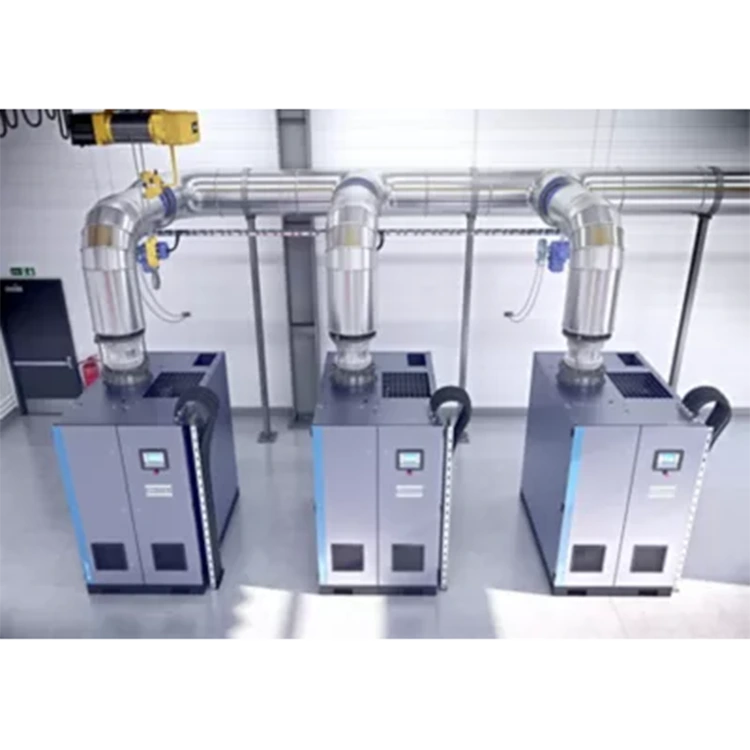
Compressor rooms need sufficient airflow to remove heat generated during operation. Poor ventilation can raise ambient temperature and cause equipment to operate outside its recommended conditions.
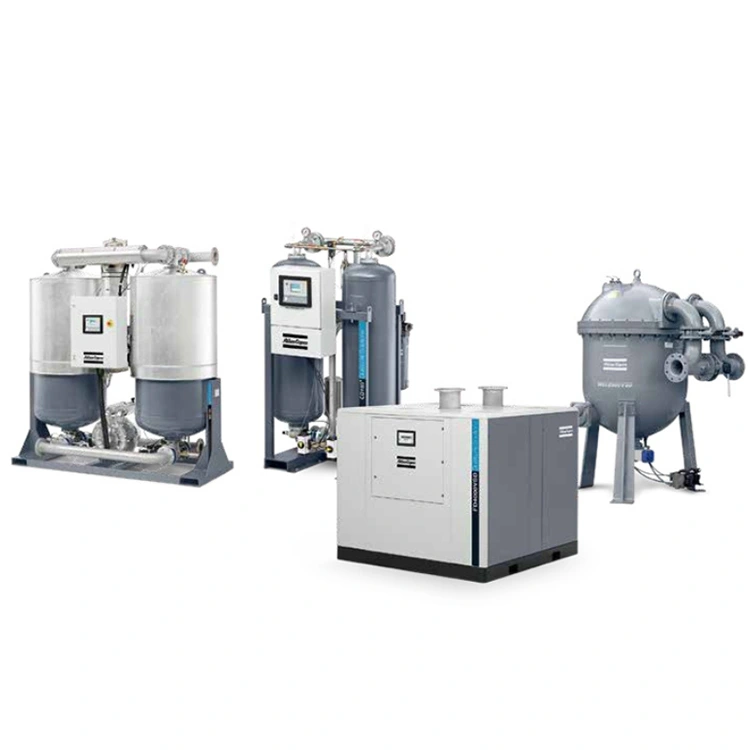
Oil-free compression does not remove all moisture or particles from incoming air. Depending on the application, the system may require an aftercooler, moisture separator, air dryer, particulate filters, and other treatment components.
The treatment arrangement should be selected according to the required pressure dew point and contaminant limits.
An air receiver can help stabilize pressure and accommodate short-term demand fluctuations. Its capacity should be calculated based on the compressor's output, demand profile, permissible pressure variation, and applicable safety requirements.
Undersized pipes, excessive bends, restrictive fittings, and leaks can reduce the pressure available at the point of use. Proper pipeline sizing and routine leak inspections improve the efficiency of the complete compressed air system.
Oil-free screw compressors still require routine maintenance. Although oil is not injected into the compression chamber, bearings, gears, motors, cooling systems, and other mechanical components may require lubrication, inspection, or servicing according to the manufacturer's instructions.
For facilities with continuous production requirements, preventive maintenance planning is especially important. Scheduling inspections before component failure can reduce unexpected downtime and protect production schedules.
Motor power does not directly indicate delivered airflow or efficiency. Always compare actual FAD and specific power at the required working pressure.
The pressure at the compressor outlet may be higher than the pressure available at the application. Consider the losses across the complete distribution and treatment system.
Oil-free compression does not eliminate water vapor, dust, or atmospheric hydrocarbons. The final air treatment configuration must match the process requirements.
A compressor operating under fluctuating demand may waste energy if its control strategy is unsuitable. Evaluate fixed-speed and variable-speed options using actual load profiles.
Energy consumption and maintenance costs can have a major influence on long-term expenditure. Compare the total cost of ownership rather than selecting the lowest quotation automatically.
It is used to supply clean compressed air at relatively low pressures for applications such as pneumatic conveying, wastewater treatment, fluidization, food processing, and selected pharmaceutical and industrial manufacturing processes.
An oil-free screw compressor does not inject oil into its compression chamber. An oil-injected compressor uses oil during compression for lubrication, cooling, and sealing. The choice depends on air-quality requirements, operating conditions, and total system costs.
No. Oil-free compression reduces the risk of contamination from compressor-injected oil, but ambient air may still contain particles, moisture, and hydrocarbons. Appropriate filtration, drying, and air-quality verification are necessary.
Many industrial rotary screw compressors are designed for continuous-duty applications. However, suitability depends on the specific model, operating environment, cooling capacity, load profile, and manufacturer's rated operating conditions.
Start by determining the airflow consumption of all connected equipment, including simultaneous demand and peak operating requirements. Then consider leakage, future expansion, and pressure losses. A compressed air assessment can provide more accurate sizing.
Not in every installation. A variable-speed drive can help match compressor output to fluctuating demand. For applications with stable, near-full-load consumption, fixed-speed equipment may also be suitable. Compare actual operating profiles before deciding.
Depending on the application, the system may need an aftercooler, moisture separator, refrigerated or desiccant dryer, particulate filters, and other specialized treatment equipment. The required configuration depends on the target air-quality specification.
Maintenance frequency depends on the compressor model, operating hours, ambient conditions, and component requirements. Follow the manufacturer's recommended service intervals and inspect filters, cooling systems, bearings, and other critical parts regularly.
It depends on the required pressure and airflow. Some very-low-pressure applications are better served by blowers, while other processes need the pressure capability of a low-pressure screw compressor. Compare the complete operating requirements before choosing.
Provide the required working pressure, airflow, air-quality specification, operating hours, cooling preference, installation environment, and application details. This information helps the supplier recommend an appropriate configuration and prepare a more accurate quotation.
Selecting the right low-pressure oil-free screw air compressor is an important decision for industrial facilities that depend on reliable, clean, and continuous compressed air. The ideal equipment should match actual airflow demand, maintain the required working pressure, meet air-quality expectations, and operate efficiently under real production conditions.
Before purchasing, evaluate the compression technology, FAD, specific power, cooling configuration, control system, air treatment requirements, and long-term maintenance needs. A properly designed compressed air system can help reduce unnecessary energy consumption, improve production stability, and minimize contamination-related risks.
Dechuan Compressor (Shanghai) Co., Ltd. focuses on industrial air compressor solutions and supports customers in evaluating equipment requirements for different applications. By understanding your operating conditions and technical specifications, you can move toward a more suitable and reliable compressed air supply solution.
Choosing the right compressor starts with understanding your production requirements. Whether you need equipment for pneumatic conveying, wastewater treatment, food processing, or other industrial applications, finding the right air supply solution can make a meaningful difference to your operation.
Contact Dechuan Compressor (Shanghai) Co., Ltd. today to discuss your airflow requirements, working pressure, and application needs. Our team is ready to help you explore a suitable industrial compressed air solution.
Contact Us


Copyright © 2025 Dechuan Compressor (Shanghai) Co., Ltd. All Rights Reserved.