
IP stands for Ingress Protection (also called International Protection Rating). It is an international standard (IEC 60529 / GB/T 4208) that defines the level of protection an electrical equipment enclosure provides against:
1. Solid objects (dust, tools, fingers, etc.)
2. Liquids (water, moisture, etc.)
The IP rating consists of two digits: IP _ _

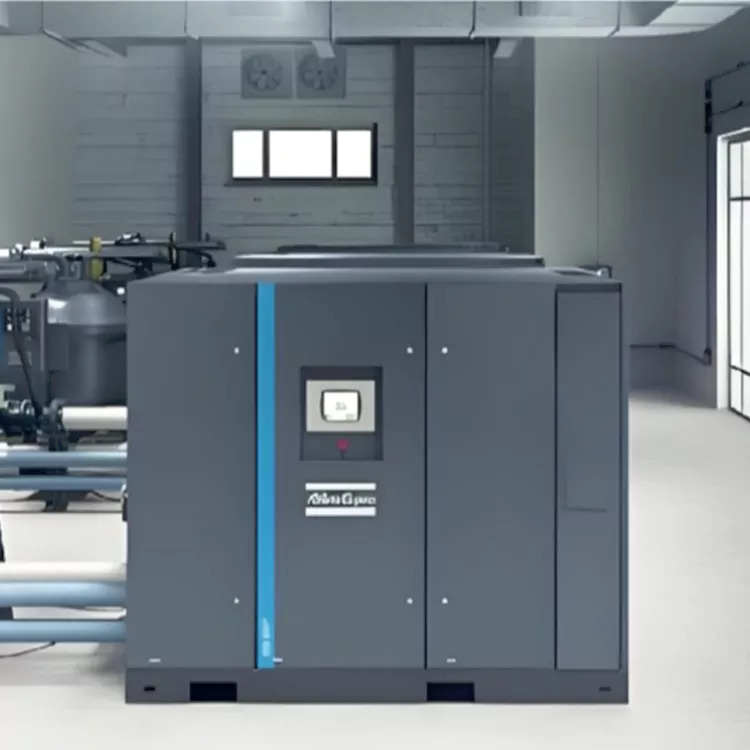
Most ordinary oil-free compressors suffer from residual oil leakage and secondary pollution, failing to meet strict high-end production standards. The AQ15-55 VSD Oil-Free Water-Lubricated Air Compressor solves high-standard clean air supply challenges with top-tier purification technology.

Adopting advanced VSD frequency conversion technology and near-isothermal compression process, it thoroughly solves the problems of high energy consumption, heavy loss and pollution of traditional air compressors, and is widely applicable in pharmaceutical, food, electronics, precision manufacturing and other industries.
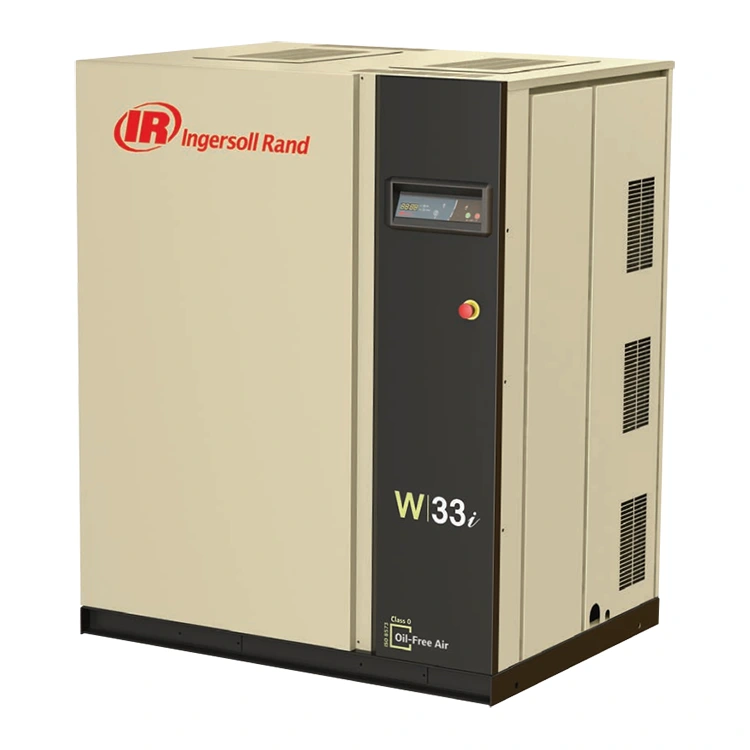
As core power infrastructure for modern manufacturing and industrial plants, compressed air systems directly influence production efficiency, operational stability, and overall profitability. Today’s factory buyers and engineering teams no longer prioritize low upfront equipment costs. Instead, they focus on long-term stability, energy savings, and low-maintenance performance. Thanks to its reliable operation, controllable lifecycle cost, pollution-free air output, and high compliance standards, the oil-free scroll compressor has become an ideal equipment choice for sustainable factory operation.
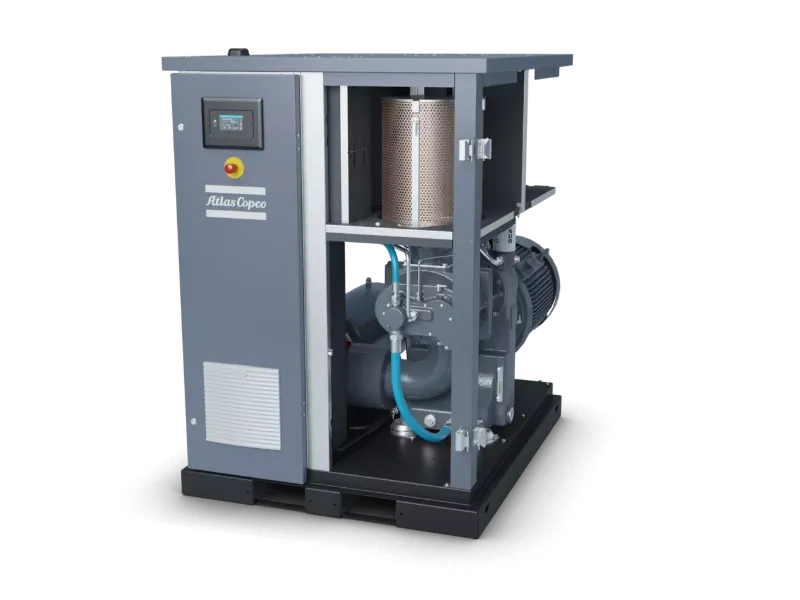
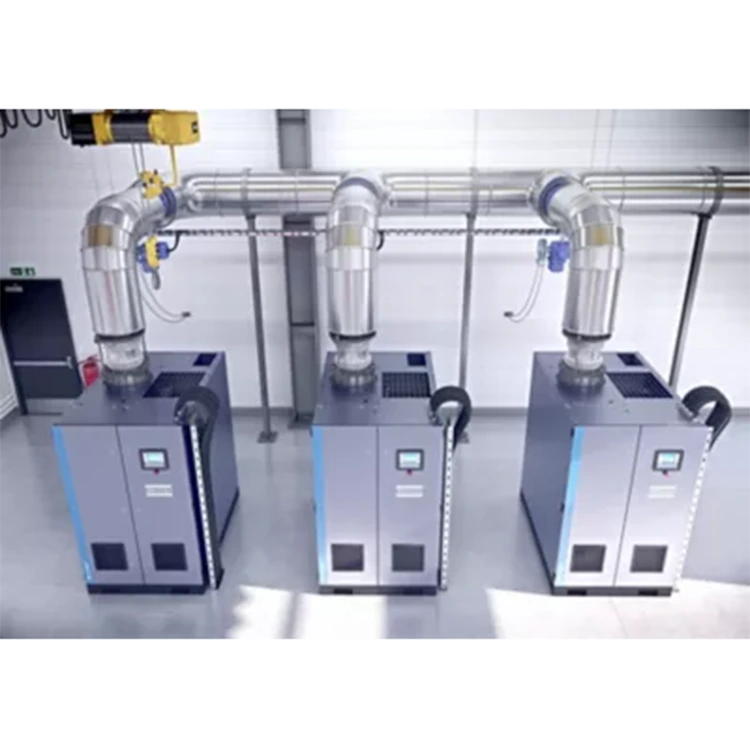
Industrial low-pressure air systems are increasingly focused on energy savings, operational stability and long-term cost control, especially in water treatment, pneumatic conveying and continuous manufacturing scenarios. To meet the growing demand for high-efficiency, zero-contamination low-pressure air equipment, Atlas Copco has upgraded its blower portfolio by launching the new-generation ZS 4 (VSD) oil-free screw blower. Built on the proven ZS blower platform and optimized with advanced VSD+ variable speed drive technology, the new model delivers notable improvements in energy efficiency, pressure stability, lifecycle economy and low-noise operation for heavy-duty industrial applications.
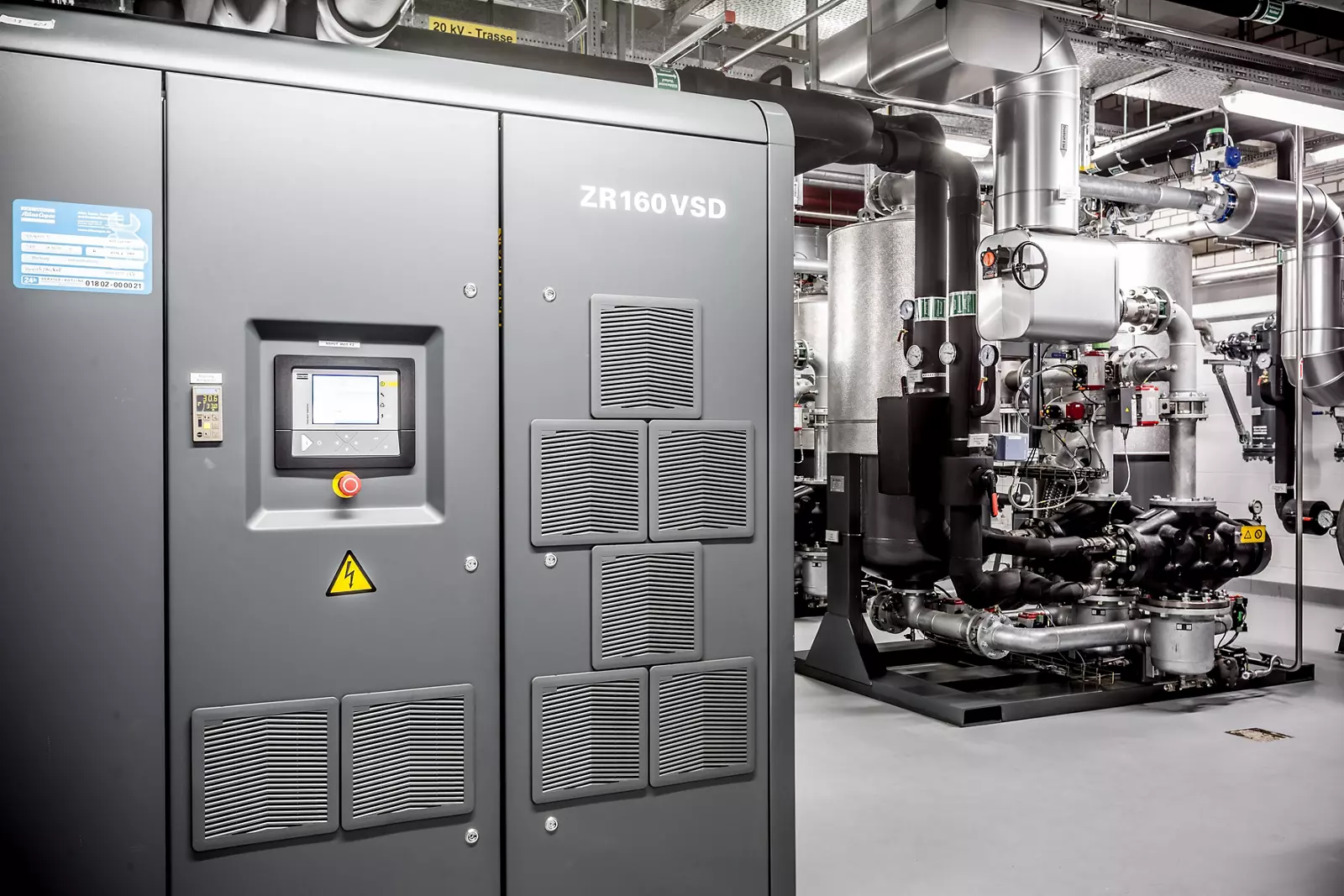
Pharmaceutical manufacturing demands extremely rigorous compressed air quality and operational stability, as air purity and continuous supply are critical to product safety and consistent productivity. To comply with evolving global pharmaceutical quality standards, many European drug manufacturers have upgraded their on-site pneumatic infrastructure in recent years. As one of Europe’s most advanced pharmaceutical production and logistics hubs, Salutas has completed a comprehensive technical upgrade of its compressed air supply system at the Barleben facility in Germany. The renovation has greatly improved operational stability, energy efficiency and air cleanliness, fully meeting strict pharmaceutical benchmarks and high-end requirements for U.S. market entry.



Copyright © 2025 Dechuan Compressor (Shanghai) Co., Ltd. All Rights Reserved.