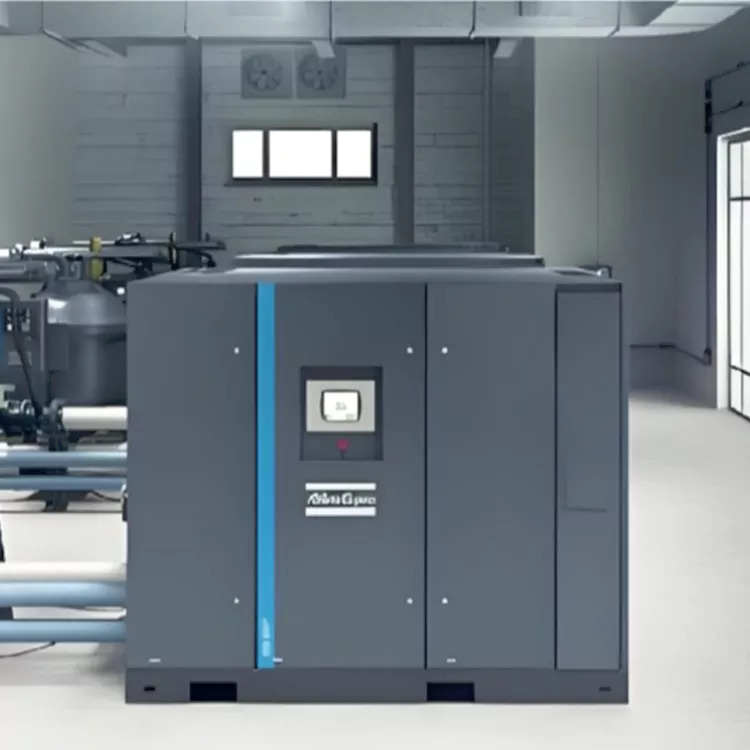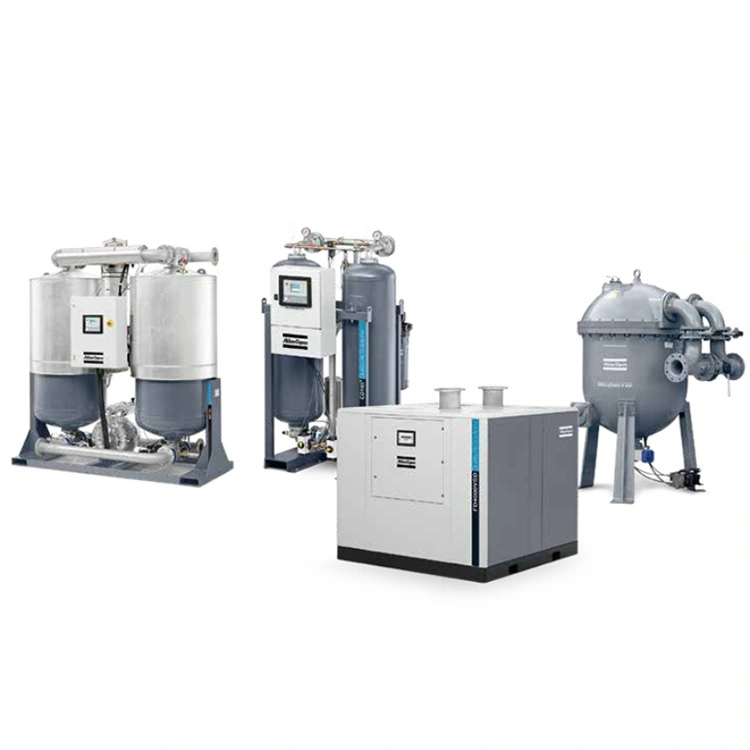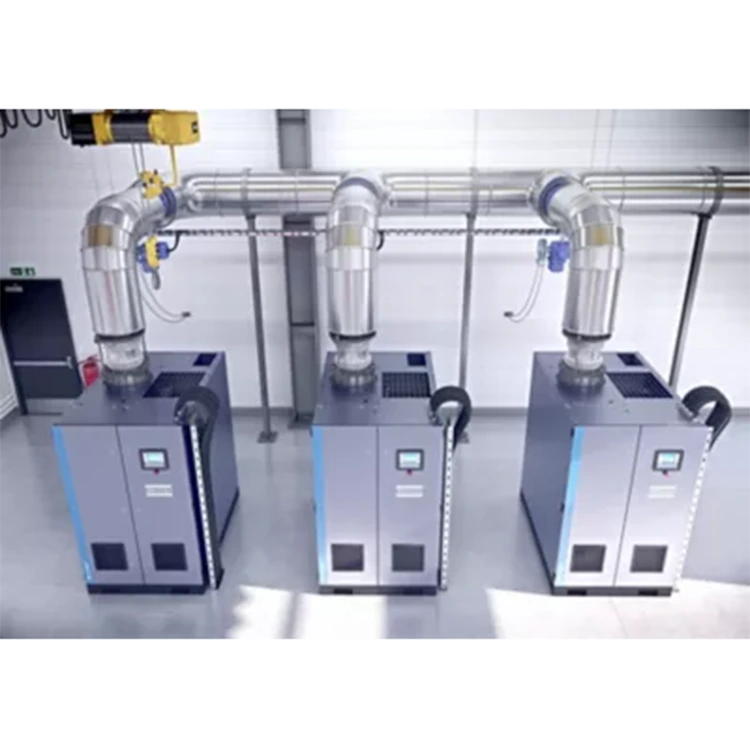
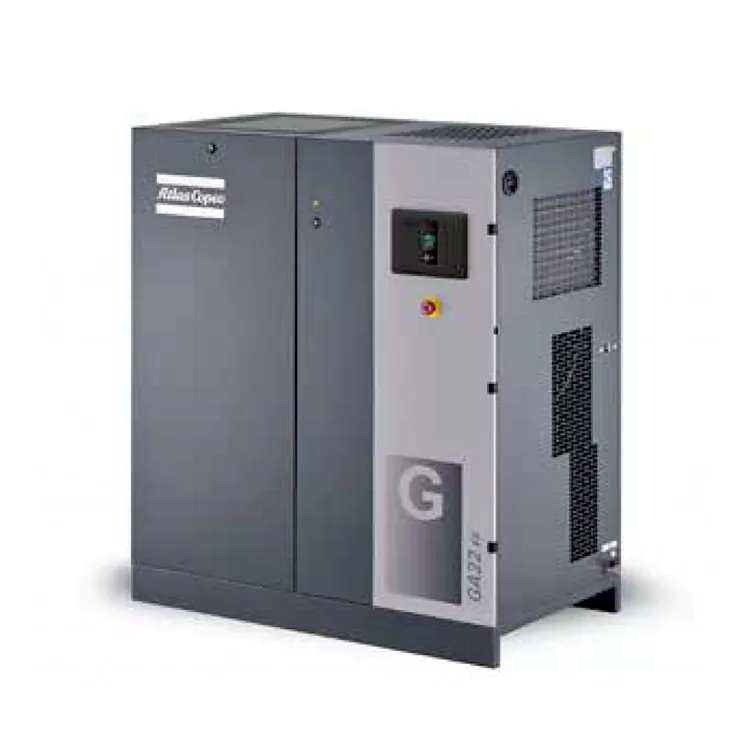
Oil-Injected Screw Compressor technology offers a practical combination of reliable compressed air production, efficient power transmission, and simplified maintenance for many industrial applications. DECHUAN provides professional compressor solutions for customers looking for a dependable China manufacturer and supplier, with GA Series equipment designed around efficient motors, upgraded rotors, intelligent monitoring, and integrated air-treatment options.
An oil-injected screw compressor uses oil within the compression process to support lubrication, cooling, and sealing. Compared with traditional belt-driven configurations, modern gear-driven systems can improve transmission efficiency and reliability while reducing maintenance requirements. The GA Series highlighted by DECHUAN combines high-efficiency motors, advanced oil-gas separation, intelligent control, remote monitoring, cooling systems, and optional integrated drying and filtration. These features make the technology suitable for factories that need stable compressed air, efficient operation, and practical lifecycle management.
1. What Is an Oil-Injected Screw Compressor?
2. How Does the Compression Process Work?
3. What Are the Key Technical Features?
4. What Are the Main Benefits for Industry?
5. Where Is This Compressor Commonly Used?
6. How Should You Select the Right Model?
7. What Maintenance Practices Matter Most?
An oil-injected screw compressor is a rotary compressor that uses two intermeshing screw rotors to compress air continuously. During compression, oil is introduced into the compression chamber. The oil performs several important functions, including lubricating moving components, helping remove heat generated during compression, and improving sealing between the rotors.
After compression, the oil is separated from the compressed air through an oil-gas separation system. The recovered oil can then circulate through the compressor system again, while the compressed air continues toward the outlet or downstream treatment equipment.
This design is particularly useful for industrial environments where continuous air production, stable pressure, and reliable operation are important. Instead of relying on frequent start-stop cycles, rotary screw technology can provide a consistent source of compressed air for production equipment.
The operating principle is straightforward but depends on precise rotor geometry and controlled oil circulation. Air enters through the intake valve and is drawn into the space between the rotating screw profiles. As the rotors turn, the available volume decreases and the trapped air is compressed.
At the same time, injected oil helps control temperature and reduce friction. The compressed air-oil mixture then enters the separation stage, where most of the oil is removed before the air moves into the cooling and downstream treatment system.
The result is a continuous compression process that can support production lines with relatively steady compressed air demand.
Modern systems incorporate more than a compressor element. A complete package may combine the compression assembly, motor, transmission, cooling system, controller, separator, dryer, and monitoring functions.
| Feature | Function | Industrial Value |
|---|---|---|
| New-generation rotor design | Supports stable and efficient compression | Reliable long-term operation |
| IE3/IE4 high-efficiency motor options | Converts electrical power efficiently | Helps control energy consumption |
| Gear transmission | Transfers motor power to the compression element | High reliability and reduced belt-related maintenance |
| Oil-gas separator | Separates oil from compressed air | Improves air quality and oil recovery |
| Intelligent controller | Monitors operating conditions and system pressure | Supports efficient compressor management |
| Remote monitoring | Provides equipment status and diagnostic information | Faster maintenance response |
| Integrated dryer option | Reduces moisture in compressed air | Helps protect downstream piping and equipment |
For example, DECHUAN's GA Series incorporates intelligent control functions, phase-sequence protection, remote monitoring, and optional filtration. Depending on configuration, integrated drying technology can also help reduce condensate-related problems in compressed air piping.
Gear-driven configurations can eliminate some of the maintenance considerations associated with belt transmission. When properly engineered and maintained, a direct or geared transmission system can provide stable power transfer between the motor and compressor element.
Rotary screw compression is well suited to factories requiring a relatively continuous supply of compressed air. The combination of robust rotors, efficient motors, cooling components, and monitoring controls can support dependable production operation.
Energy consumption is one of the most important lifecycle costs of a compressed air system. High-efficiency motors and intelligent pressure management can help reduce unnecessary power consumption. Advanced controllers can also monitor system conditions and provide maintenance reminders.
Moisture and oil carryover can affect downstream equipment if the compressed air system is poorly configured. An appropriate separator, aftercooler, dryer, and filtration arrangement can help improve air quality and reduce the risk of condensation, corrosion, and contamination.
Modern compressor packages integrate monitoring and protection functions to make service planning easier. Remote status monitoring, alarm notifications, maintenance reminders, and diagnostic functions can help maintenance teams identify potential issues before they develop into costly production interruptions.
The technology is applicable to many industries where compressed air is an essential utility. Typical applications include:
Applications vary significantly in pressure, airflow, duty cycle, air-quality requirements, and environmental conditions. Therefore, selecting equipment based only on motor power is not recommended. The complete compressed air system should be evaluated.
Choosing the right compressor begins with understanding the actual compressed air demand of the facility. Oversizing may increase initial investment and unnecessary energy consumption, while undersizing can cause unstable pressure and excessive operating loads.
Before purchasing, consider these factors:
A professional Oil-Injected Screw Compressor supplier should be able to evaluate these requirements before recommending a configuration.
Even a well-engineered compressor requires regular maintenance. Preventive service helps maintain performance and reduces the likelihood of unexpected downtime.
Maintenance should follow the specific equipment manufacturer's technical documentation. Operating conditions such as ambient temperature, dust concentration, humidity, working hours, and load profile can influence service intervals.
An oil-injected design introduces oil into the compression process for lubrication, cooling, and sealing. An oil-free design uses a different compression and cooling arrangement to prevent oil from entering the compression chamber. The appropriate technology depends on the required air purity and application.
Oil-injected compressors use separation systems to remove most of the oil from compressed air. When a stricter oil-content requirement exists, additional filtration and air-treatment equipment should be selected according to the application.
A gear-driven configuration can provide efficient power transmission and avoid some belt-related service requirements. It is particularly useful where reliability and stable long-term operation are important.
Yes. Certain configurations can integrate a dryer and other treatment components into the compressor package. This can simplify installation and help control moisture in the compressed air system.
Buyers should evaluate compressor configuration, motor efficiency, air delivery requirements, control functions, after-sales support, spare-parts availability, documentation, and the supplier's engineering experience rather than focusing only on purchase price.
An oil-injected screw compressor can be an effective solution for factories that need dependable compressed air, efficient operation, and manageable maintenance. With advanced rotors, efficient motors, gear transmission, oil-gas separation, intelligent controls, remote monitoring, and optional drying and filtration, modern systems can be configured for diverse industrial requirements. If you are evaluating compressor capacity, air-treatment requirements, or a customized compressed air solution, contact us to discuss your application and find a suitable configuration for your production needs.



Copyright © 2025 Dechuan Compressor (Shanghai) Co., Ltd. All Rights Reserved.