Discover how an air storage tank enhances compressor efficiency, stabilizes pressure, reduces energy waste, and extends equipment lifespan in industrial compressed air systems.
Article Summary
An air storage tank is one of the most important components in a compressed air system. It acts as a buffer between the compressor and air-consuming equipment, helping stabilize pressure, reduce compressor cycling, improve cooling, and remove moisture from the system.
Many businesses experience unstable air pressure, excessive compressor wear, moisture contamination, and high electricity costs because their system lacks the correct tank capacity or configuration. This article explains how air storage tanks work, why they are essential, how to choose the right size, and what maintenance practices help maximize performance.
This guide is especially useful for factories, workshops, manufacturing plants, automotive facilities, and industrial operators looking to improve compressed air reliability and operational efficiency.
What Is an Air Storage Tank?
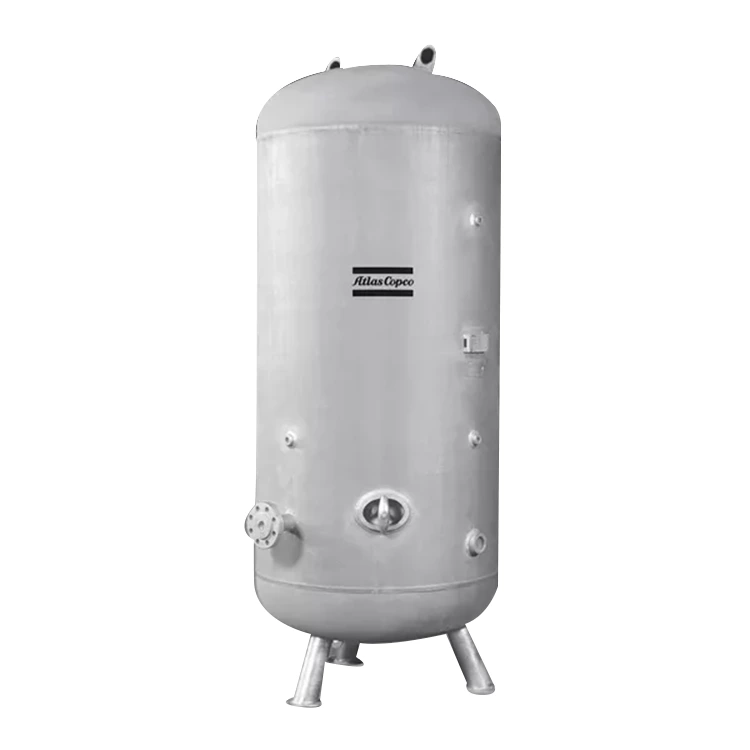
An air storage tank, also called an air receiver tank, is a pressure vessel designed to store compressed air before it is distributed throughout a pneumatic system. It serves as temporary storage that helps balance air demand fluctuations and ensures smooth operation of connected equipment.
In many industrial environments, compressed air demand changes constantly. Some machines require continuous airflow, while others operate intermittently. Without a storage tank, compressors may cycle on and off too frequently, increasing wear and energy consumption.
A properly sized air storage tank improves pressure consistency, supports peak demand periods, and enhances the overall stability of the compressed air network.
Companies such as Dechuan Compressor (Shanghai) Co., Ltd. provide air storage tank solutions designed for industrial air systems requiring stable and efficient compressed air delivery.
How Does an Air Storage Tank Work?
An air storage tank receives compressed air directly from the air compressor. The tank stores this pressurized air until downstream equipment requires it. As air demand increases, the tank releases stored air to maintain stable pressure levels.
This process reduces sudden pressure drops and prevents the compressor from operating continuously under fluctuating loads.
|
Component
|
Function
|
|
Compressor
|
Generates compressed air
|
|
Air Storage Tank
|
Stores and stabilizes compressed air
|
|
Drain Valve
|
Removes accumulated moisture
|
|
Pressure Gauge
|
Monitors tank pressure
|
|
Safety Valve
|
Protects system from overpressure
|
The tank also allows hot compressed air to cool before entering downstream filters and dryers. As the air cools, moisture condenses and can be drained from the tank, improving air quality.
Key Benefits of Using an Air Storage Tank
Many industrial operators underestimate how much a properly configured storage tank can improve compressed air system efficiency.
-
Stabilizes pressure fluctuations during peak demand
-
Reduces compressor start-stop cycling
-
Improves energy efficiency
-
Extends compressor service life
-
Helps remove moisture from compressed air
-
Provides backup air during temporary demand spikes
-
Enhances performance of pneumatic tools and machinery
Facilities without sufficient air storage often experience unstable machine performance, higher maintenance costs, and unnecessary energy consumption.
By adding adequate storage capacity, businesses can reduce operational interruptions and maintain more consistent production output.
Common Problems Solved by Air Storage Tanks
Many compressed air systems encounter recurring issues caused by insufficient air storage. An appropriately designed air receiver tank can solve several operational problems.
|
Problem
|
How the Tank Helps
|
|
Pressure fluctuations
|
Balances air supply and demand
|
|
Excessive compressor cycling
|
Reduces start-stop frequency
|
|
Moisture contamination
|
Allows condensation removal
|
|
Energy waste
|
Improves compressor operating efficiency
|
|
Equipment downtime
|
Provides reserve compressed air
|
These advantages are particularly valuable in manufacturing facilities where stable pneumatic performance directly affects productivity and product quality.
Types of Air Storage Tanks
Air storage tanks are available in different configurations depending on system requirements and installation conditions.
|
Tank Type
|
Main Characteristics
|
|
Vertical Tank
|
Saves floor space and supports efficient moisture separation
|
|
Horizontal Tank
|
Suitable for low-height installations
|
|
High-Pressure Tank
|
Designed for demanding industrial applications
|
|
Wet Tank
|
Installed before air dryers to remove moisture
|
|
Dry Tank
|
Installed after dryers for clean air storage
|
Selecting the correct tank type depends on compressor size, operating pressure, available installation space, and air quality requirements.
How to Choose the Right Air Storage Tank
Choosing the correct air storage tank requires careful evaluation of system airflow, pressure requirements, and operational patterns.
The following factors should be considered:
-
Compressor capacity (CFM or m³/min)
-
Operating pressure range
-
Peak air demand fluctuations
-
Available installation space
-
Moisture management requirements
-
Future production expansion plans
A common sizing guideline recommends 3–5 gallons of storage capacity per CFM of compressor output, although exact requirements vary by application.
Businesses seeking reliable compressed air system solutions often review industrial product specifications such as those available at:
https://www.dechuancompressor.com/air-storage-tank.html
Proper sizing prevents both undersized and oversized systems, ensuring balanced operational efficiency and cost control.
Maintenance Tips for Long-Term Performance
Regular maintenance is essential for ensuring safe and efficient operation of an air storage tank.
-
Drain moisture regularly to prevent corrosion
-
Inspect safety valves periodically
-
Check pressure gauges for accuracy
-
Inspect welds and tank surfaces for damage
-
Monitor internal corrosion conditions
-
Ensure compliance with pressure vessel regulations
Neglecting maintenance can reduce tank lifespan and create safety risks within the compressed air system.
Many industrial facilities implement scheduled inspections to maintain operational reliability and reduce unexpected downtime.
Industrial Applications of Air Storage Tanks
Air storage tanks are widely used across multiple industries because compressed air is essential for modern industrial automation and manufacturing processes.
|
Industry
|
Typical Use
|
|
Manufacturing
|
Pneumatic machinery and automation
|
|
Automotive
|
Painting, assembly, and tools
|
|
Food Processing
|
Clean compressed air systems
|
|
Textile Industry
|
Air jet weaving and equipment operation
|
|
Electronics
|
Precision pneumatic control systems
|
Reliable compressed air storage directly contributes to production stability and operational continuity across these industries.
Frequently Asked Questions
What is the purpose of an air storage tank?
An air storage tank stores compressed air, stabilizes pressure, reduces compressor cycling, and improves overall system efficiency.
How often should an air tank be drained?
Moisture should be drained regularly, often daily in high-humidity environments, to prevent corrosion and contamination.
Can a larger tank improve compressor efficiency?
Yes. A properly sized tank reduces frequent compressor cycling and helps optimize operating efficiency.
What is the difference between a wet tank and a dry tank?
A wet tank is installed before air dryers to collect moisture, while a dry tank stores clean, dry compressed air after treatment.
How long does an air storage tank last?
With proper maintenance and corrosion prevention, industrial air storage tanks can operate reliably for many years.
Improve Your Compressed Air System Today
A high-quality air storage tank can significantly improve compressor efficiency, reduce maintenance costs, and ensure stable production performance. Dechuan Compressor (Shanghai) Co., Ltd. offers professional compressed air solutions designed to meet the needs of modern industrial operations.
If you are looking for reliable air storage tank products and expert support for your compressed air system, contact us today to discuss the best solution for your business requirements.