Summary: Adsorption air dryers are critical components in compressed air systems, ensuring the removal of moisture to prevent corrosion, freezing, and product contamination. This article explores their working principles, benefits, types, maintenance practices, and troubleshooting tips, helping industrial users optimize system performance and longevity.
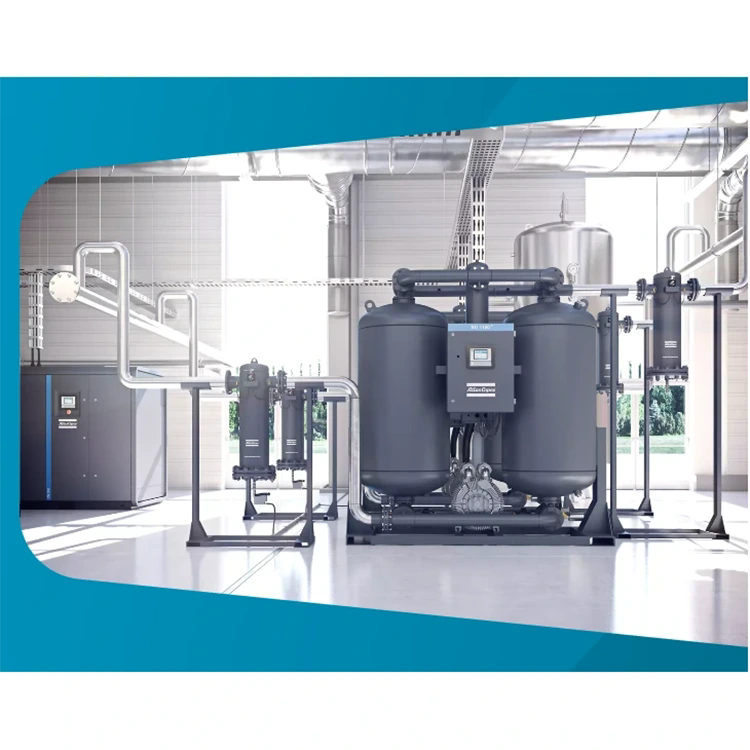
Table of Contents
What is an Adsorption Air Dryer?
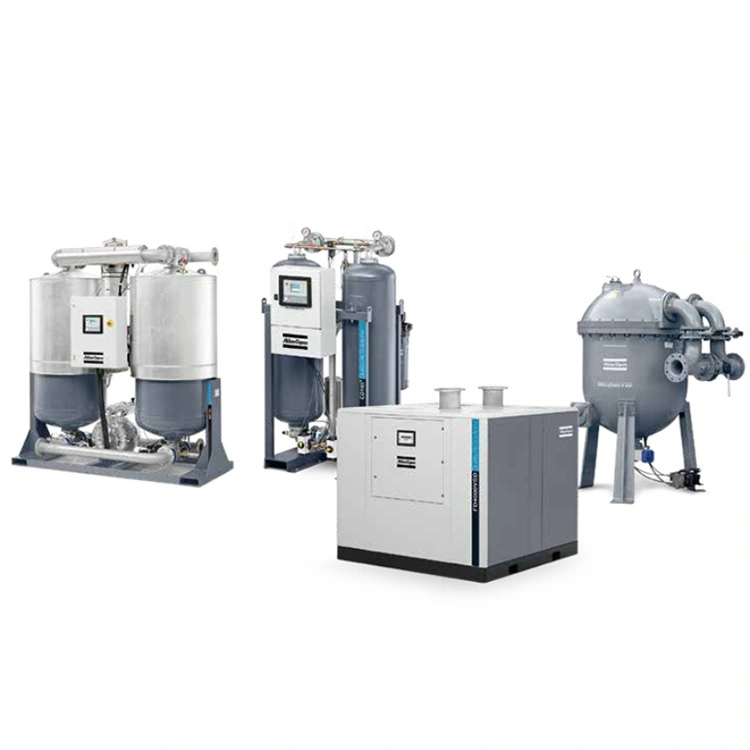
An adsorption air dryer is a device used to remove water vapor from compressed air. Unlike refrigerated dryers, which cool the air to condense moisture, adsorption dryers rely on materials like silica gel or activated alumina to adsorb water molecules. This ensures extremely dry air, often reaching dew points as low as -40°C to -70°C, which is essential in applications such as electronics manufacturing, pneumatic instruments, and painting operations.
-
Purpose: Prevent damage caused by moisture in compressed air lines.
-
Applications: Industrial automation, chemical processes, food packaging, and pharmaceutical production.
-
Key Component: Adsorbent materials (silica gel, activated alumina, or molecular sieves).
How Does an Adsorption Air Dryer Work?
The operation of an adsorption air dryer typically follows a cycle of adsorption and regeneration:
-
Adsorption Phase: Moist air enters the dryer and passes through the adsorbent material, which captures water vapor.
-
Regeneration Phase: The saturated adsorbent is regenerated using either heatless purge air, heated air, or external heat to release the absorbed moisture.
-
Cyclic Operation: Many adsorption dryers operate with dual towers to allow continuous drying, with one tower adsorbing while the other regenerates.
The table below summarizes common adsorption dryer types and their features:
|
Dryer Type
|
Regeneration Method
|
Typical Dew Point
|
Best Use Case
|
|
Heatless (Purge) Dryer
|
Ambient air purge
|
-40°C
|
General industrial applications
|
|
Heated Dryer
|
External or electric heating
|
-40°C to -70°C
|
Low airflow, high dryness requirements
|
|
Blower Purge Dryer
|
Heated air with blower
|
-70°C
|
High-capacity systems needing energy efficiency
|
Types of Adsorption Air Dryers
Understanding the different types of adsorption dryers helps in selecting the right model for your system:
-
Heatless Purge Dryers: Simple design, no external heating, energy consumption via purge air.
-
Heated Purge Dryers: Uses external or electric heating to improve regeneration efficiency.
-
Blower Purge Dryers: More energy-efficient; uses a blower to assist regeneration with heated air.
-
Automatic Switching Dryers: Dual-tower design ensures continuous drying without manual intervention.
Benefits of Using Adsorption Air Dryers
Implementing adsorption air dryers in compressed air systems delivers multiple advantages:
-
Extremely Low Dew Point: Prevents freezing in cold climates and ensures stable operation of precision equipment.
-
Corrosion Prevention: Protects pipelines and pneumatic tools from moisture-related damage.
-
Improved Product Quality: Dry air avoids contamination in sensitive manufacturing processes.
-
Energy Efficiency: Advanced regeneration methods reduce operational costs.
-
Longevity: Extends life of downstream equipment by reducing moisture-induced wear.
Maintenance and Operational Tips
To ensure optimal performance, regular maintenance is critical:
-
Monitor pressure dew point to detect early moisture breakthrough.
-
Replace or regenerate adsorbent material as recommended by Dechuan.
-
Check valves and control systems for proper cycling between adsorption and regeneration phases.
-
Inspect air filters to prevent particulates from clogging the adsorbent beds.
Proper installation, such as avoiding vibration and ensuring correct piping, also contributes to system reliability.
Common Problems and Troubleshooting
Despite their reliability, adsorption dryers may face occasional issues:
-
High Dew Point: Check adsorbent saturation and tower switching intervals.
-
Excessive Pressure Drop: Inspect clogged filters or fouled adsorbent.
-
Valve Malfunction: Regularly test solenoid and pneumatic valves for correct timing.
-
Energy Inefficiency: Ensure proper purge air rates and heater operation for heated dryers.
FAQ
-
Q1: How often should the adsorbent be replaced?
-
A: Typically every 3–5 years, depending on operating conditions and air quality.
-
Q2: Can adsorption dryers operate in extreme temperatures?
-
A: Yes, but proper insulation and pre-filtering of air are recommended for consistent performance.
-
Q3: What industries benefit most from adsorption air dryers?
-
A: Electronics manufacturing, pharmaceuticals, food processing, automotive painting, and chemical plants.
-
Q4: How does Dechuan ensure quality in their dryers?
-
A: Dechuan uses high-quality adsorbent materials, precision engineering, and rigorous testing to deliver reliable performance.
Investing in a high-quality adsorption air dryer can transform your compressed air system. Dechuan’s advanced solutions provide reliable, energy-efficient, and ultra-dry air to meet your industrial needs. For more information or to request a quote, contact us today and ensure your system operates at peak performance.